


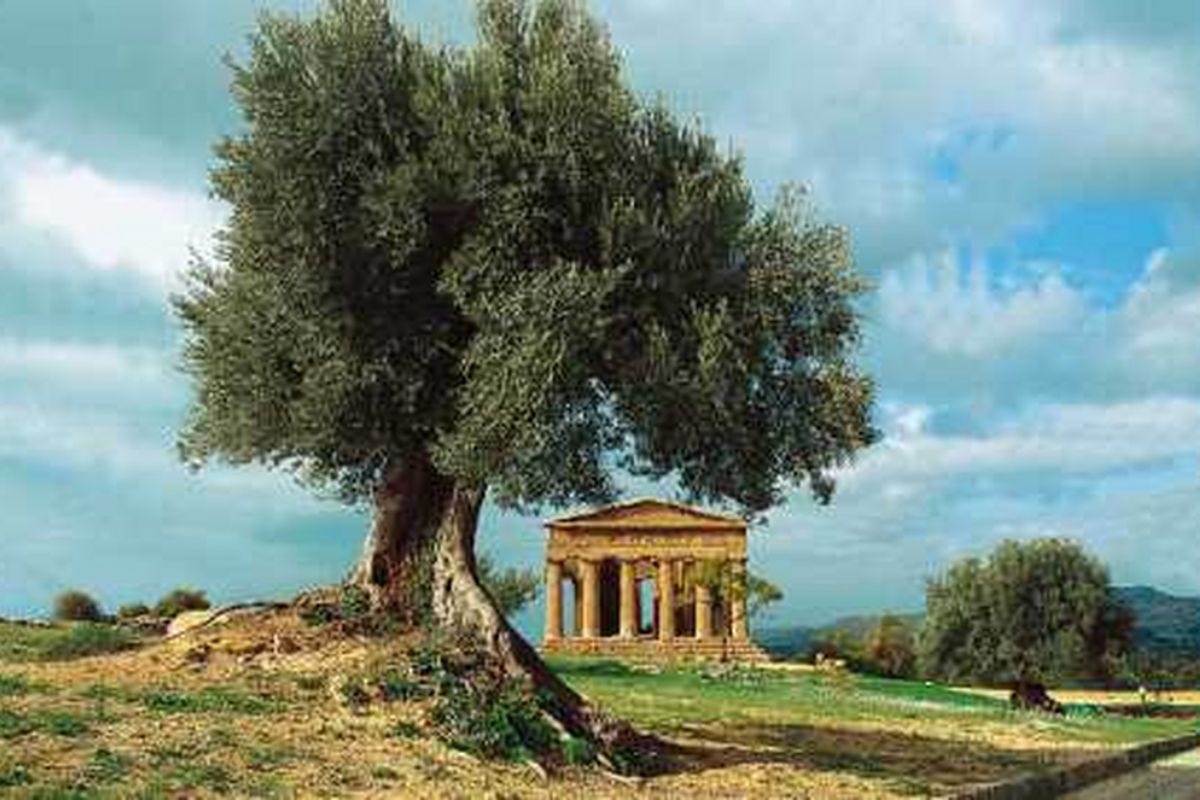
Athens smells of diesel, oregano (and, if you walk past the old Academy grounds) olive leaves warming in the sun. Between the cracked pavements stand a few ancient trunks, twisted like question marks. They are descendants, locals insist, of Athena’s original olive tree, the one that won her the city. Whether or not that’s botanically true hardly matters. The myth has shaped everything from religion to real estate.
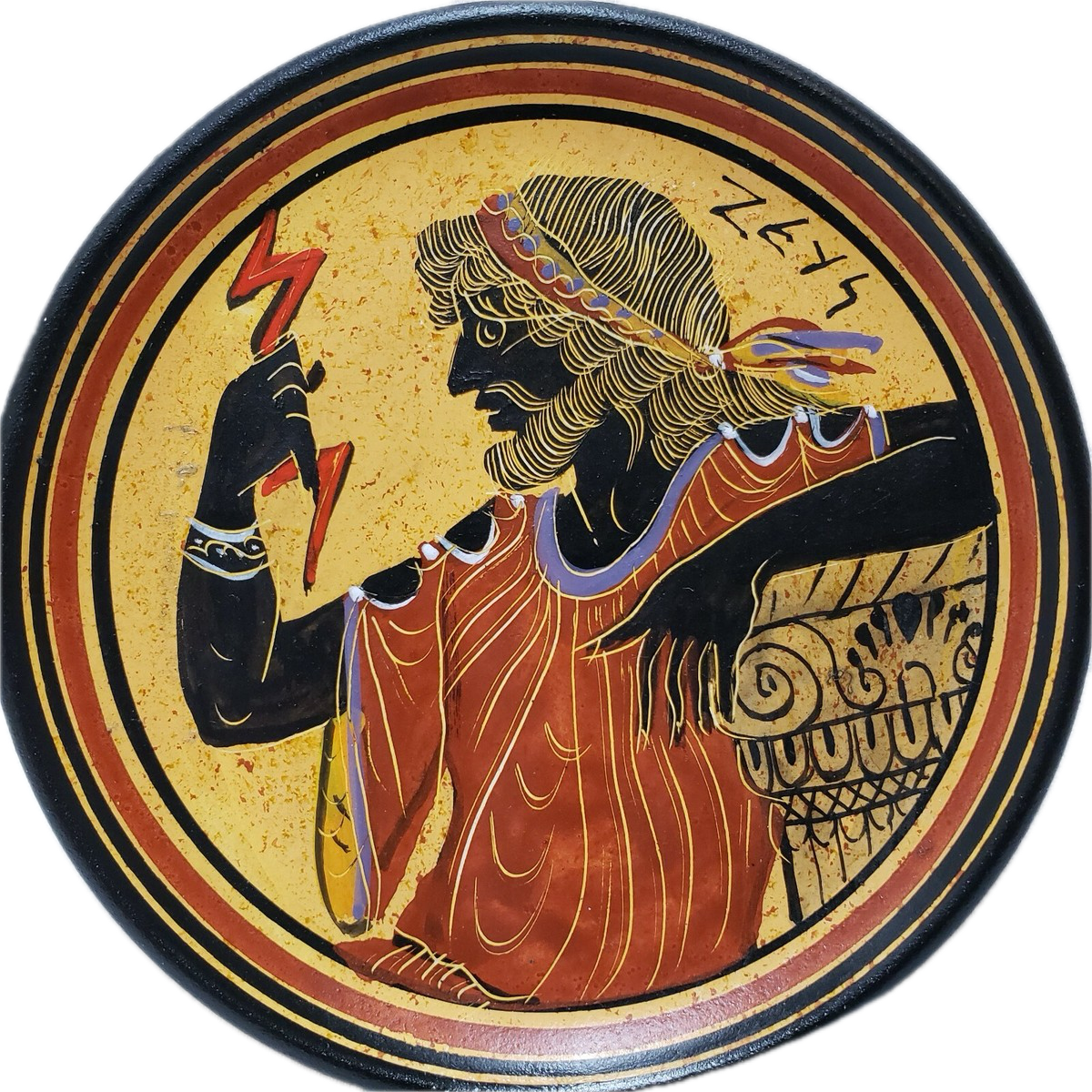
According to legend, Zeus staged a contest between Poseidon and Athena for patronage of a small but promising city-state. Poseidon struck the ground with his trident, producing a salt spring - spectacular but useless. Athena planted an olive tree. Her gift promised light, food, medicine and trade. The citizens voted, and the city became Athens.
It was, arguably, the world’s first lesson in utility over spectacle. Gold dazzled, but the olive sustained. The gods understood compound interest before economists did.
The sacred economy
Centuries later, Solon’s reforms in the 6th century BC formalised that divine preference. The state catalogued Moriai trees (descendants of Athena’s original grove) and made them government property. Their oil was reserved for temple lamps and the Panathenaic Games. Damaging one was treason.
The oil itself functioned like currency: measured, stored, taxed, traded. Each amphora carried the words From Athens beside Athena’s owl and the event depicted on the reverse - the ancient equivalent of a national mint mark. Victors won amphorae rather than coins, filled with oil worth a year’s wages. Glory, it turned out, was flammable.
Even common households burned the goddess’s gift in their lamps. Every flicker of flame was an act of piety and practicality combined.
Did You Know?
Divine inventory: Ancient Athens kept official registers of sacred olive trees - inspectors checked they were healthy and counted them annually.
Oil as currency: Some sanctuaries accepted oil as temple tax; priests sold the surplus to fund festivals.
A myth with mileage: The “olive of Athena” on the Acropolis was said to regrow overnight after the Persians burned it in 480 BC - a living symbol of rebirth.
Cultural echo: Olympic victors today receive wreaths of olive branches - a direct echo of tradition.
Gold was inert; oil was alive. It nourished bodies and healed wounds. When philosophers debated the nature of wealth, they reached for the amphora. Aristotle called it “the most perfect of household goods.”
In practice, it powered the economy: farmers paid taxes in oil and doctors mixed it with wine as antiseptic. You could drink it, trade it, or light your house with it - a versatility gold could never match.
And because oil came from the earth, renewed each year, it embodied a moral dimension: prosperity earned through care, not conquest. The olive tree rewarded - the ethical investment of antiquity.
Walk through any Greek gallery and you’ll see athletes gleaming like sculptures. Before competition they coated themselves in oil, scraped it off afterward, and sold the residue (called ‘gloios’) to apothecaries. Even sweat had market value.
In temples, priests anointed marble gods with the same substance. The link between divine and human was literally the sheen of olive oil. It blurred class lines: both Apollo and the wrestler relied on the same glow.
Homer’s heroes bathed in it before battle; mourners poured it on graves. To live in Greece was to live oiled.
After the Persian invasion, historians wrote that the sacred olive on the Acropolis was burnt to ash. The next day, a shoot sprang from its roots. Herodotus recorded it as a miracle; botanists today call it resilience.
Modern Greeks still treat olive trees as inheritances. In the rural Attican region surrounding Athens, families register century-old trunks with the same solemnity others reserve for deeds. Each bears witness to a long conversation between land and labour. There are few families across Greece who don’t talk fondly about their family groves, trees they’ve held in trust for generation after generation.
On an early spring morning in a field near our mill, I once saw a priest blessing the first press of the season. Bottles glint like small icons. His words echo Hesiod, who called the olive “the tree of peace.”
Economically, too, it remains sacred ground. Greek olive oil exports now top 300,000 tonnes a year, feeding a global appetite for “purity.” The marketing copy might speak of polyphenols, but the subtext is ancient trust: this liquid connects you to something enduring.
Did You Know? (Part II)
Medical marvel: Hippocrates prescribed olive oil for more than 60 conditions - from ulcers to hair loss.
Holy hardware: Early Christian churches used olive oil lamps as perpetual flames; the custom persists in Greek Orthodox sanctuaries.
Modern echoes: When Greece adopted the euro, some lobbied for an olive branch on the coin - Athena’s currency on metal at last.
What the myth still means
In a world that prices almost everything, the olive reminds us that true value depends on time and trust. Gold can be hoarded; oil must be shared or it spoils if hidden away.
That may be why the Greeks imagined Zeus himself preferring the scent of olive smoke to bullion. The offering wasn’t a display of wealth, but of wisdom - proof that humanity had learned how to cultivate the earth without exhausting it.
If gold built empires, olive oil built civilisation. It lit the first cities, and still perfumes the air around the Acropolis, where a few gnarled descendants of Athena’s tree bend toward the sun.
Somewhere, one imagines, the old gods are still watching - and approving.
Sources
Lovely article. Olive oil is one of the few things that manages to be both pleasurable and good for us. It sits at the heart of healthy eating and is still, somehow, one of life's simplest pleasures. The tree itself survives heat, thin soil and centuries of neglect and still produces in abundance. And unlike gold, it's democratic. It belongs on ordinary kitchen tables, in everyday meals, not in locked vaults.