


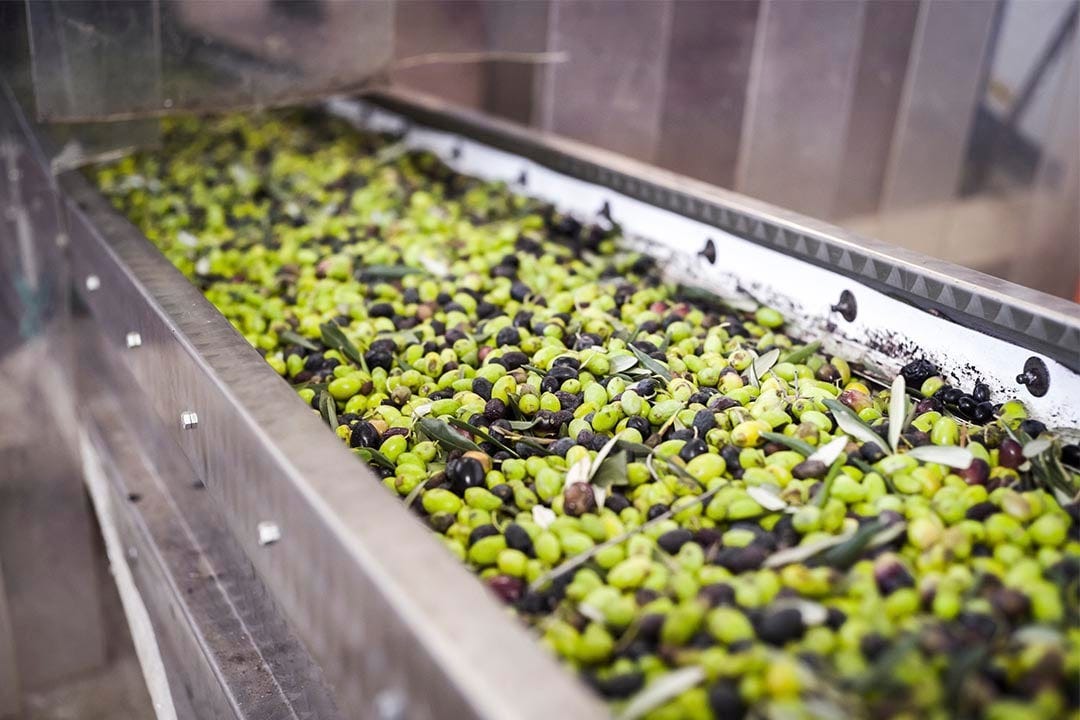
At first glance, it looked perfect: gold-green oil in elegant glass bottles, labelled “Cold Pressed. 100% Extra Virgin. Product of Greece.”
The buyer (a London importer) paid double for quality, imagining sunlit groves and honest farmers. Months later, lab tests revealed the truth: the oil was mostly low-grade Spanish stock, deodorised to remove rancid odours and tinted with chlorophyll for colour. “Extra virgin”? More like extra inventive.
Welcome to the world of olive oil fraud: a trade as old as the amphorae that once carried it.
Ancient fraud, modern methods
The Greeks themselves were early victims of olive deception. In the 5th century BC, Athens fined merchants for diluting oil with cheaper plant extracts. Roman writers described traders whitening rancid oil with chalk or darkening it with herbs to mimic fresh harvests. Two millennia later, the techniques have simply gone digital.
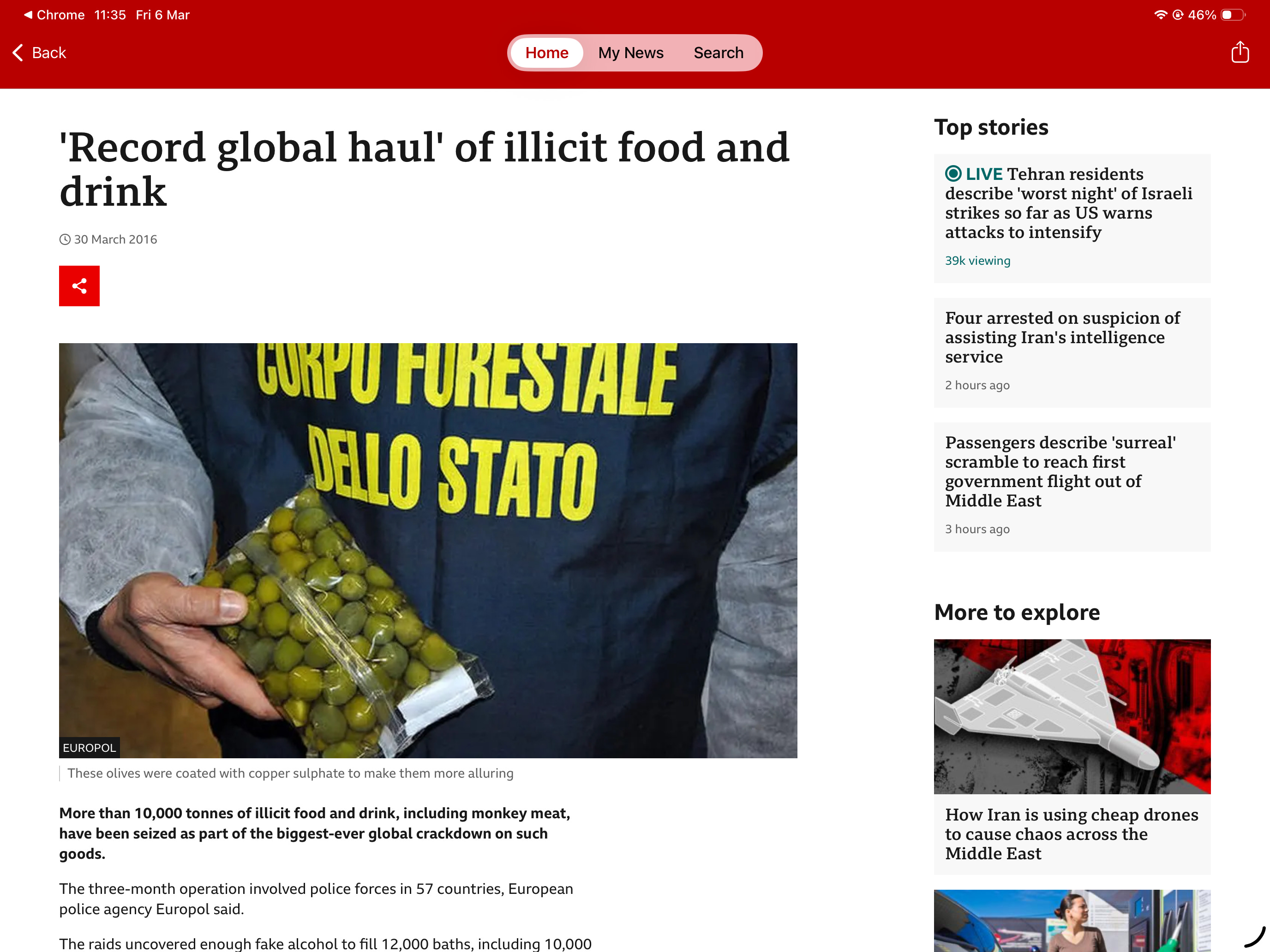
Today, adulterated oil is one of the world’s most lucrative food crimes, worth an estimated €3 billion a year. Interpol has run “Operation Opson” raids across Europe, seizing thousands of tonnes of fake oil. The scam thrives because olive oil is expensive, its chemistry complex, and its sensory appeal (colour, scent, texture) easily faked.
“Fraudsters know we buy with our eyes,” says Ziad, my cousin and partner in the olive mill we co-own, “A little chlorophyll and beta-carotene, and you can turn industrial sludge into a Mediterranean fantasy.”
How the scam works
Counterfeiters use several tricks:
Blending: Mixing low-grade refined oils with a small amount of true extra virgin to meet taste thresholds.
Re-labelling: Bottling cheap North African or Turkish oils as “Greek” or “Italian.”
Deodorising: Industrial heat and solvents strip rancid flavours, producing a neutral oil that’s then “reflavoured” with additives.
Harvest forgery: Printing an early “harvest year” to imply freshness, even when the oil is years old.
Sometimes, the deception begins within legitimate supply chains. A broker buys bulk oil in tankers, re-blends it, and ships it under premium labels. “You can have multiple countries in one bottle,” Ziad notes dryly.
Did You Know?
Official definition: “Extra virgin” means oil obtained solely by mechanical means, below 27°C, with acidity <0.8% and no sensory defects.
Fake acidity: Refining removes flaws, lowering acidity, making bad oil look good on paper.
Light test myth: Holding a bottle to the light reveals colour, not quality; genuine oil can range from pale gold to deep green.
Traceability tech: New EU rules now require QR codes linking each bottle to its harvest region and mill batch.
Greece, the world’s third-largest producer, suffers as much from reputation theft as from direct fraud. Authentic producers (especially small cooperatives in central Greece, Kalamata, Crete, and Lesvos) often lose sales to cheaper “Greek-style” imitations bottled abroad.
In 2023, authorities uncovered a ring in northern Italy that relabelled 1.5 million litres of mixed Mediterranean oils as “Hellenic Gold.” Greek farmers saw exports drop even as fake “Greek” brands flooded shelves.
“It’s deeply frustrating,” says Ziad.
“We do everything as it should be done to produce high quality extra virgin olive . Cold press, early harvest, chemical tests – all of these to make sure the oil is the best on the market. And then someone sells counterfeit oil for half the price with a Greek label on it.”
How to spot the real deal
Genuine extra virgin oil has a personality: bitter, peppery, and alive. Fake oil tastes flat, oily, or oddly buttery. But consumers can also read the bottle like detectives:
Harvest date matters. Look for a specific harvest season (e.g., October 2024 – January 2025), not just “best before.”
Origin over marketing. EU labels like PDO (Protected Designation of Origin) or PGI (Protected Geographical Indication) mean the oil was grown and pressed in that region.
Batch numbers and QR codes. Many honest producers now publish chemical analyses online.
Price reality check. True early-harvest extra virgin rarely costs less than €10 per half-litre retail. “If it’s cheaper than a good quality bottle of wine, then it’s rarely good quality oil ,” Ziad states.
Taste test. Fresh oil tingles the throat and smells of herbs or tomato leaf. Old or fake oil smells of candle wax or peanuts.
The lab detectives
In a basement at the Hellenic Institute of Food Chemistry, scientists analyse oil like forensic investigators. Their tools: gas chromatography, infrared spectroscopy, and even DNA barcoding to identify cultivar origin.
“We can tell if an oil claiming to be Koroneiki from Crete is actually Picual from Spain,” explains researcher Dionysis Papadakis, “Each variety leaves a genetic signature.” This technology is reshaping accountability. In 2024, Greece began issuing digital olive passports - QR-linked records from grove to bottle. The next frontier is blockchain verification, already piloted by cooperatives in Messinia.
“Transparency is the new terroir,” Papadakis says. “Consumers want to taste trust.”
Did You Know? (Part II)
Carbon dating: Isotopic analysis can reveal whether oil matches its claimed harvest year.
DNA identity: Olive oil DNA survives pressing, allowing scientists to trace its variety and region.
Fraud hotspots: Italy and Spain handle most global blending, where the temptation to mislabel peaks.
Greek purity: Over 80% of Greek oil qualifies as extra virgin, the highest ratio in the world.
When bitterness means honesty
Ironically, most consumers reject the very flavour that proves authenticity. The peppery burn in good Greek oil (caused by antioxidants like oleocanthal) often makes first-time buyers think it’s “off.”
“That bitterness is your best guide to how good the oil is for you,” says Ziad. “It’s the taste of real olives, not blandness. If it tastes mild, it may not upset your palate, but nor will it be the best for you” He encourages buyers to sample oils the way sommeliers taste wine: sniff, swirl, sip, and cough. “A cough is worth any lab report.”
For Greece, olive oil fraud isn’t just economic; it’s sacrilege. The olive is both myth and livelihood - the gift of Athena, the tree that outlived empires. To fake it feels like forging scripture.
At a small tasting at the Kadmus mill Ziad and I co-own, local farmers pour their new-season oil into glass cups, eyes shining with quiet pride. “We don’t just produce and sell oil,” one tells me. “Each year’s harvest represents a year of our lives.”
And that, perhaps, is the truest definition of extra virgin: oil made honestly, and trusted absolutely.
Sources