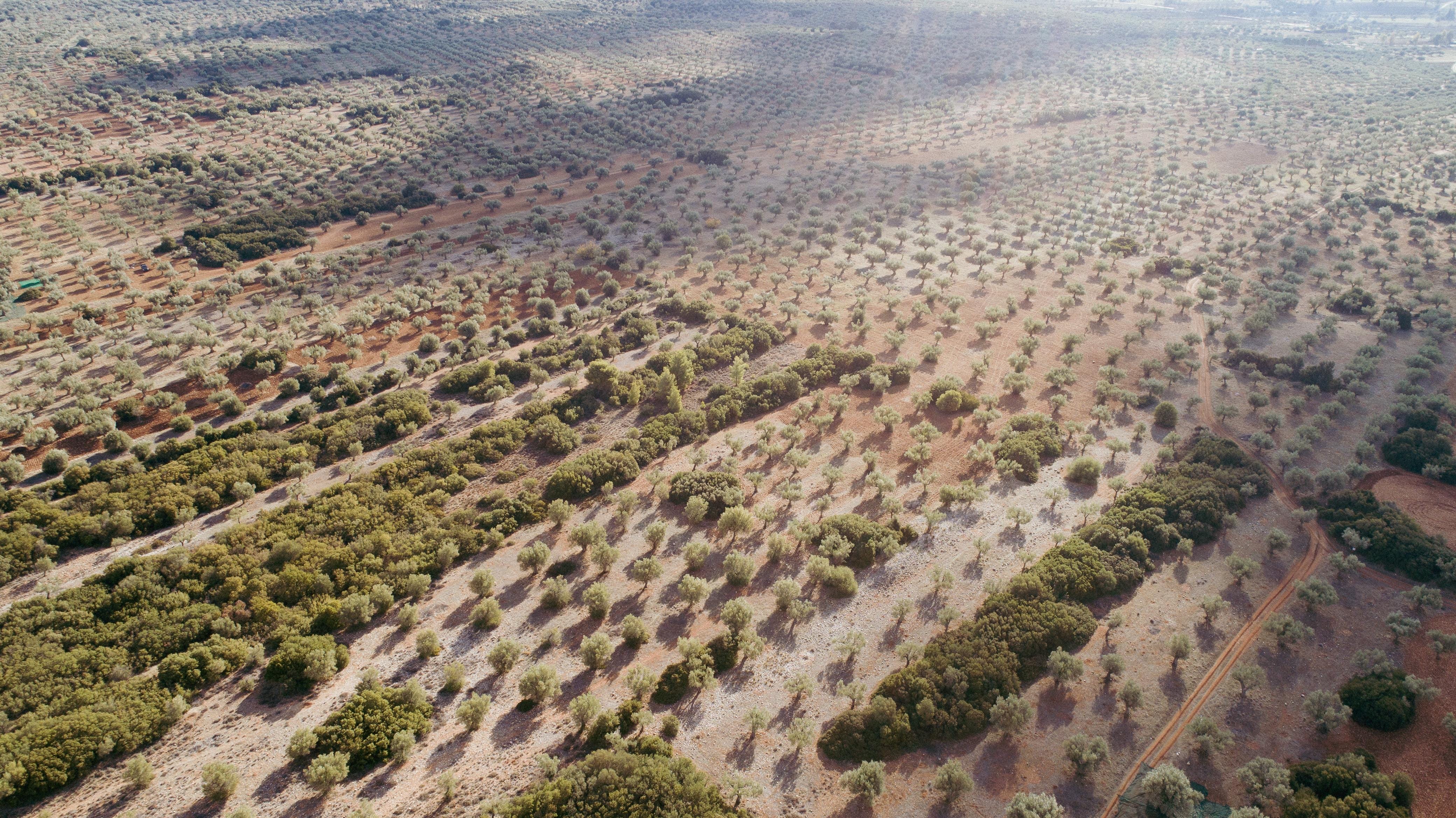
The first thing you notice is the sound: the hum of an electric drone above a hillside in Messinia. Beneath it, a young woman in a straw hat and work boots inspects a tablet displaying infrared maps of her olive trees.
Her name is Eleni Georgiadi, age 31, once a UX designer in Athens. Today she runs AgriTech Peloponnesus, a micro-farm cooperative managing 800 ancient olive trees - many of them planted before Columbus was born.
“These trees have outlived empires,” she says, “but not bureaucracy. That’s what we’re trying to fix.”
When Greece’s economic crisis hit in 2009, thousands of young professionals fled the cities for ancestral land. What began as necessity became a quiet revolution. The Ministry of Rural Development estimates that since 2015, over 25,000 Greeks under 40 have registered new agricultural businesses - half of them olive-based.
These neo-farmers brought laptops to the groves. They built solar-powered irrigation systems, marketed oils via Instagram, and sold directly to Berlin and Brooklyn. They have turned their grandparents’ subsistence trees into lifestyle brands.
Did You Know?
Generational shift: Over 18% of Greek olive growers are now under 40 — double the EU average.
Export surge: Small-batch Greek olive oil exports grew 40% between 2017–2023.
Digital roots: Nearly 70% of new olive farms use precision agriculture tools (soil sensors, drones, weather data).
Cultural continuity: Greece has over 170 million olive trees, roughly 15 per citizen.
The rebirth of a landscape
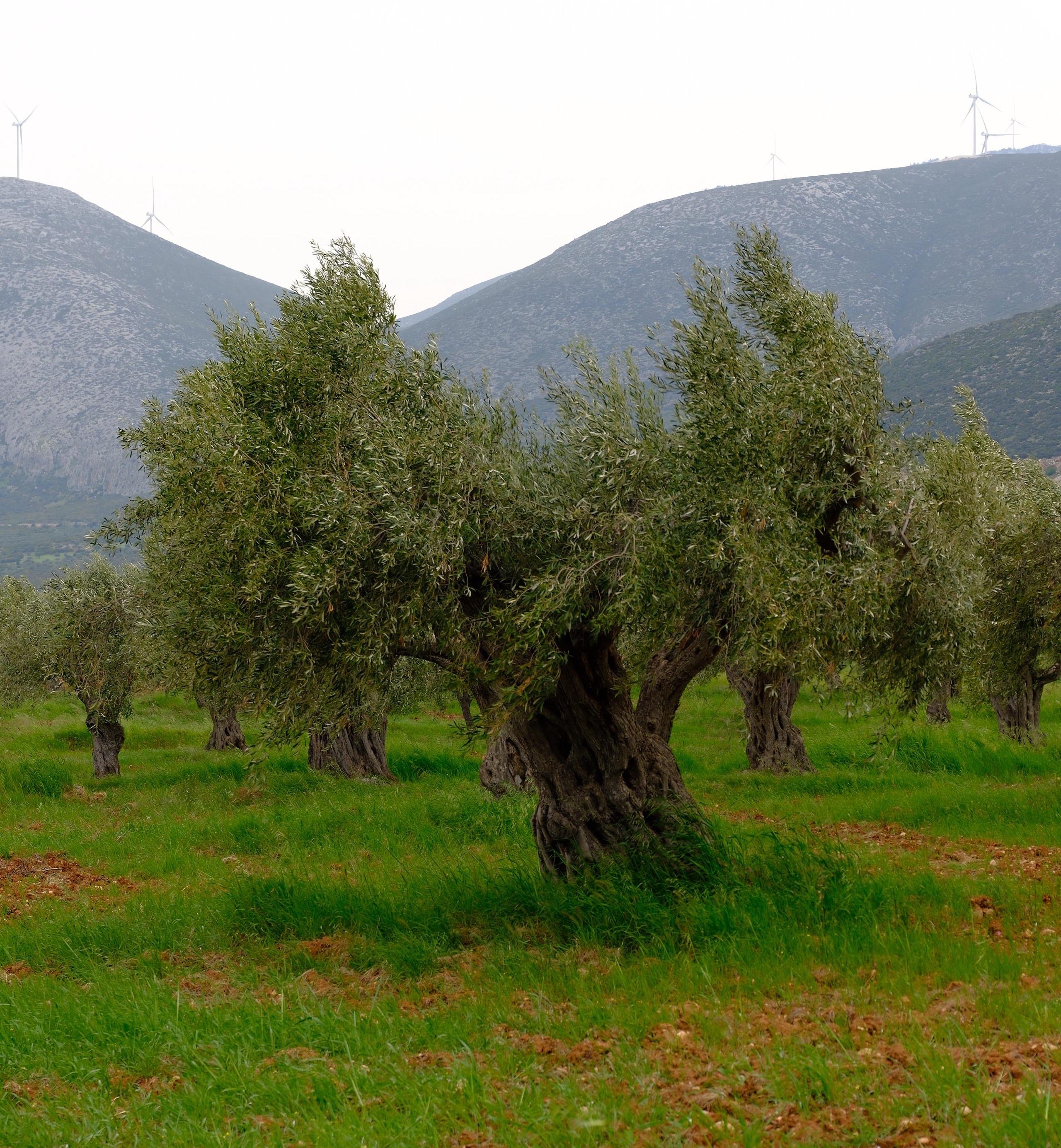
In the hills above Kalamata, Eleni kneels beside a tree with a trunk as wide as a car. “This is grandmother Maria,” she says. Locals name their trees like relatives. Hers are tagged with chips that record yield, moisture, and polyphenol levels.
In the central Greece agricultural belt near Thebes, my cousin is showing local farmers our family’s “smart press” - a stainless-steel mill that adjusts pressure and temperature automatically to preserve antioxidants. “The old mills lost half the good stuff,” he says. “Now we can prove our oil’s quality molecule by molecule.”
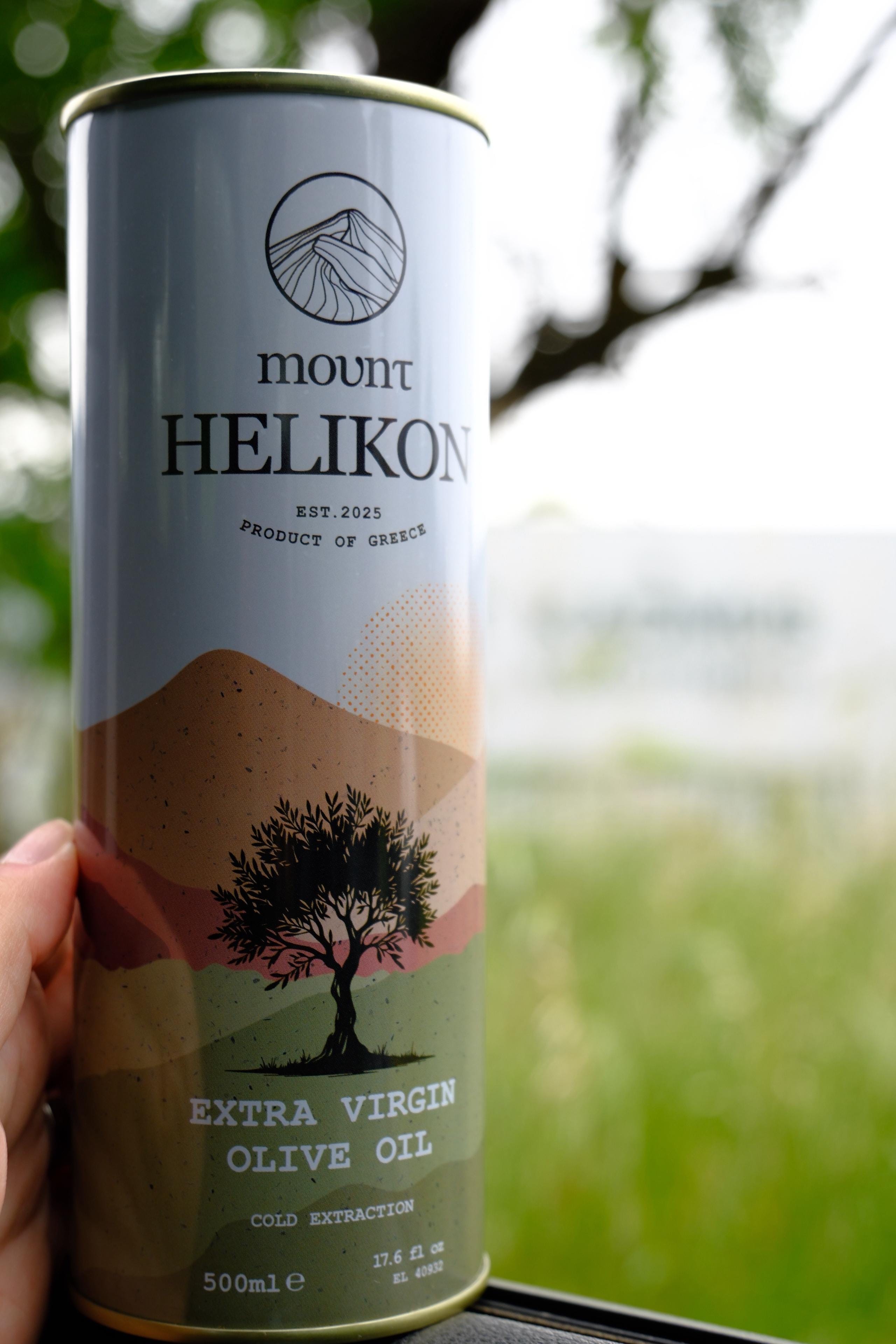
We ship our extra virgin olive oil, at present to the UK, Sweden, Denmark, Oman, under the label “Mount Helikon” – reflecting the mountain range that acts as a literal backdrop to our mill. Each bottle lists its tree’s GPS coordinates and a QR code linking to drone footage of the harvest. “People don’t just want olive oil,” Ziad says. “They want a story.”
Still, it’s not all artisan chic. Farming in Greece remains brutally physical. Summers bring drought and fire; winters bring floods. Bureaucracy consumes hours. Eleni spends as much time filling EU subsidy paperwork as pruning.
“I could make more money as an urban planner and engineer. It’s what I trained in,” he laughs, “but no job ever made me this tired or this happy.”
The Kadmus mill and olive business now employs four local women and two Albanian migrants, all paid above-market wages. “Want to build something that is really ‘of’ the local community, at its heart.” Says Ziad.
Did You Know? (Part II)
Water challenge: Southern Greece faces a 15% drop in rainfall by 2035; smart irrigation can cut usage by 40%.
Fire resilience: Ancient olive trees can resprout from roots even after complete burn, a genetic adaptation millennia old.
Global demand: Greece exports to 60+ countries, but 70% still goes bulk to Italy; the next generation of Greek entrepreneurs aims to change that.
Agrotourism boom: Olive-harvest “experiences” now attract 25,000+ foreign visitors annually.
A movement takes shape
Across central Greece, Crete, Lesvos, and the Mani, collectives with names like Young Roots, Elaia Rising, and The Tree Project are pooling equipment and branding. Some crowdfund mills; others host “olive residencies” where urban volunteers trade labour for room, board, and sunlight.
The University of Athens recently launched the Olive Innovation Hub, connecting data scientists with farmers to track soil carbon and polyphenol profiles. The goal: prove that regenerative olive farming not only heals land but traps carbon — a literal climate service.
My cousin Ziad’s maternal grandparents left their mountainous village home of Livadia in the 1960s to find work in Athens. Now he livestreams from the olive mill and groves nestled in the same region.
“It’s ironic that we’ve returned to the land to make a living,” he says. “My grandparents left this area for the same reason – but now, we look to reclaim our ancestral inheritance, and to rekindle our love affair with this land.”
The biggest challenge isn’t weather or pests, he states, it’s storytelling.
“We have to re-write what Greek olive oil stands for. We need to explain how our farming methods, our olive varieties and the land the olives are grown on all produce the finest, best quality olive oil in the world. The Italians have, so far, won the storytelling war. We have to re-tell the story of Greek olive oil. After all, half of the so-called Italian extra virgin oil you get on supermarket shelves is actually from Greece.”
Did You Know? (Part III)
Olive genome: Modern Greek cultivars trace back at least 6,000 years, making them among the oldest continuous crops on Earth.
Carbon hero: A single mature olive tree absorbs over 20 kg of CO₂ annually - 10 million tonnes across Greece’s groves.
Design meets dirt: The “Greek Olive Oil Awards” now include a category for “best storytelling and packaging design.”
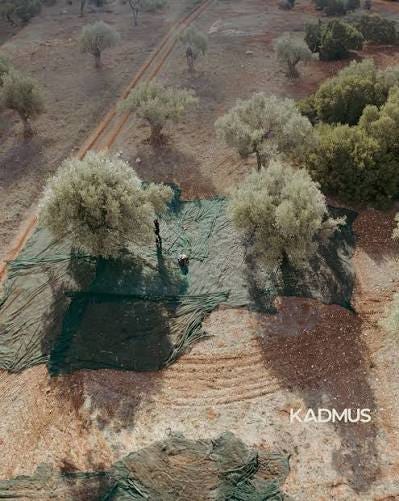
As twilight falls, Eleni’s drone lands softly beside a weathered stone wall. The old and the new share the same soil. She wipes her hands, checks her screen, and smiles: soil moisture optimal, yield forecast up 12%.
“It’s not innovation,” she says. “It’s inheritance, upgraded.”
The grove hums with cicadas and distant laughter - a sound both timeless and newly hopeful. The olive tree, that patient witness of empires, may yet outlive another one.