


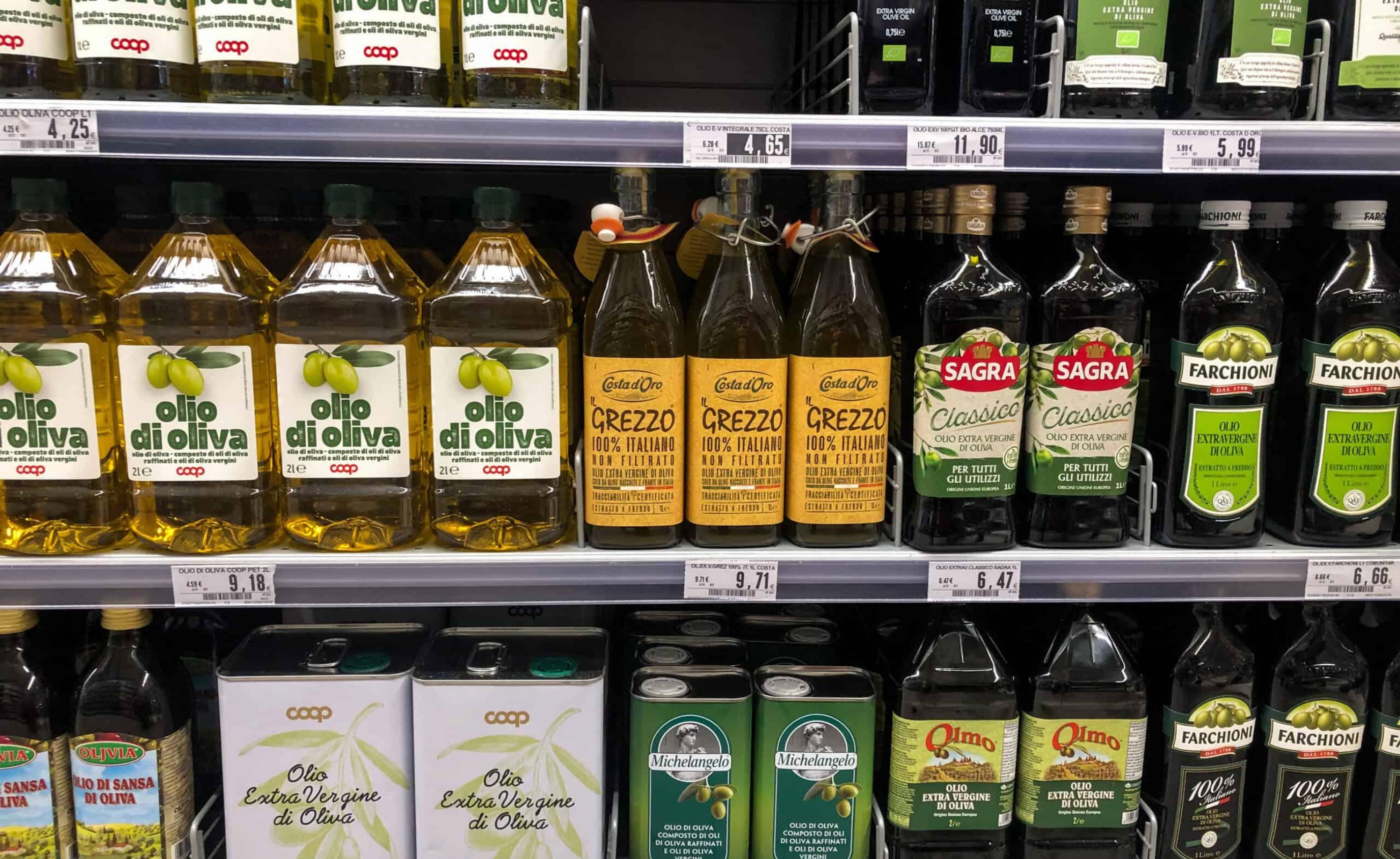
We sit in a shaded café near Thebes, and watch as tanker trucks trundle past. They’re unmarked, immaculate, and all have Italian plates. “They come every winter,” explains George, our mill manager, as he watches a hose snake from the truck into a stainless-steel tank. “They take oil west and across the Adriatic.”
He shrugs, not bitterly but with the resignation of someone who’s seen the trade since boyhood. “Italy makes the best-looking olive oil in the world,” he says, adding with a cheeky grin, “We just make the best oil.”
Few consumers realise that up to 60 percent of “Italian” extra virgin olive oil sold globally contains olives, or at least oil, that started life in Greece, Spain, or Tunisia. Italy is a master blender, not always the primary grower.
The logic is simple economics. Italy produces roughly 250–300 thousand tonnes of olive oil per year but exports more than 400 thousand. The arithmetic works only because tankers stream across the Adriatic loaded with bulk oil from central Greece, the Peloponnese, Crete, and Lesvos.
In ports like Patras and Igoumenitsa, customs manifests euphemistically list the cargo as olio sfuso – bulk oil. Once it reaches Bari, Ancona, or Livorno, the oil is filtered, blended, bottled, and rebranded: Product of Italy. The label is legal under EU rules if the final transformation occurs on Italian soil.

“It’s the culinary equivalent of assembling a Swiss watch with Japanese parts,” explains Dr Claudia Ferri, a food-systems researcher in Florence who was interviewed in 2024 about the Italian olive oil industry.
Did You Know?
EU labelling loophole: Bottlers may use “Packed in Italy” or “Blend of EU oils” even if 100% of the olives come from abroad.
Adriatic commute: Each winter, more than 1,000 tanker loads (≈25 million kg) of Greek oil cross to Italy.
Price gap: Early-harvest Greek extra virgin currently sells wholesale for €4–6 / kg; the same oil bottled in Tuscany can retail at €25 / kg.
Historic roots: The trade dates to Venetian control of Crete (13th century), when Cretan oil lit the lamps of Florence and Venice.
How the blend works
Italian blenders prize Greek oil for its Koroneiki varietal - small olives, high polyphenols, vivid green colour, and peppery bite. “It gives backbone,” explains Ferri. “Spanish oils provide volume; Greek oils provide flavour.”
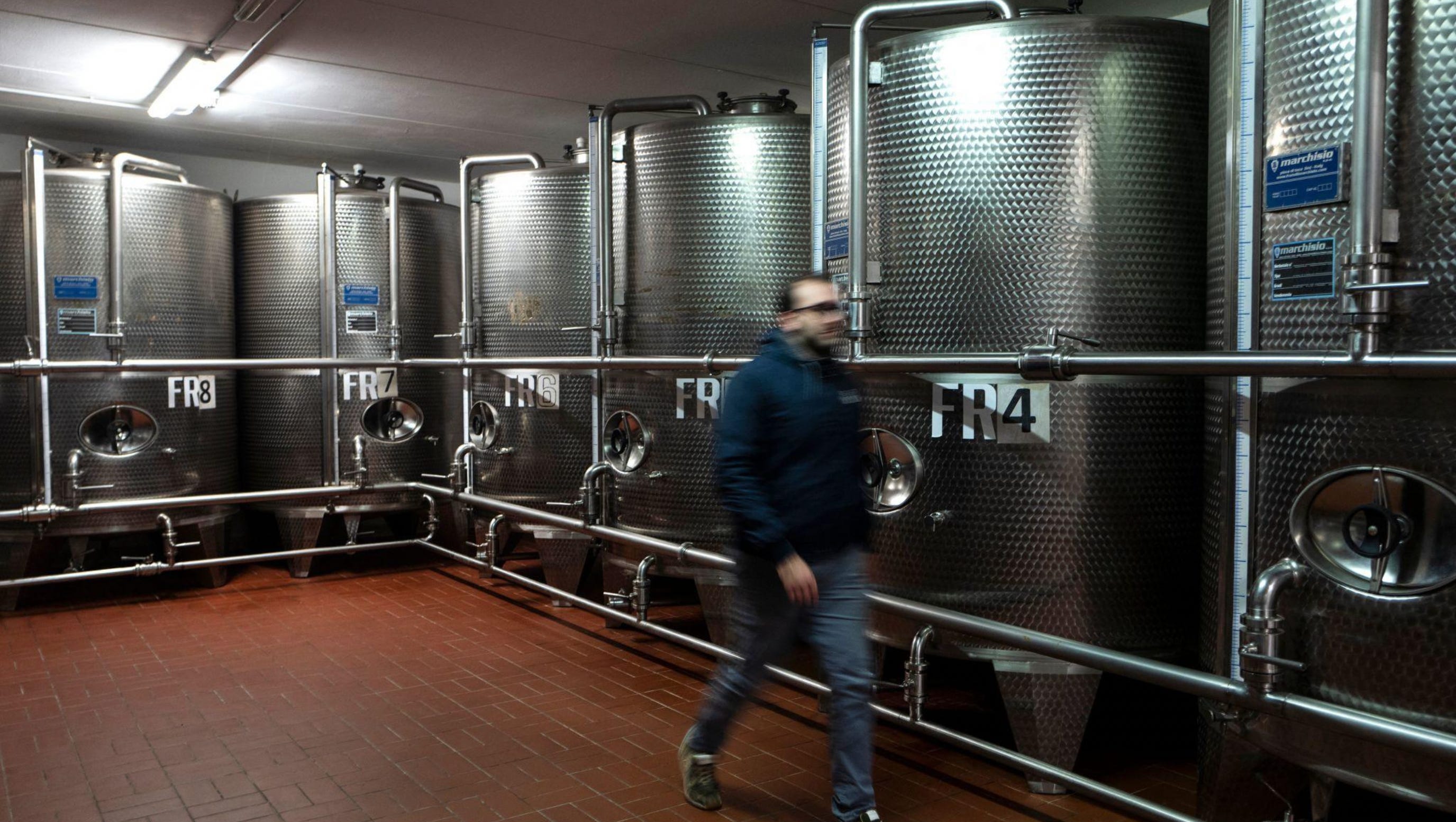
At blending facilities in Puglia and Liguria, technicians test acidity, peroxide values, and sensory notes, mixing Greek intensity with the mellow sweetness of southern Italian cultivars. The goal is consistency (year after year, bottle after bottle) something small Greek producers, at the mercy of weather, can’t guarantee alone.
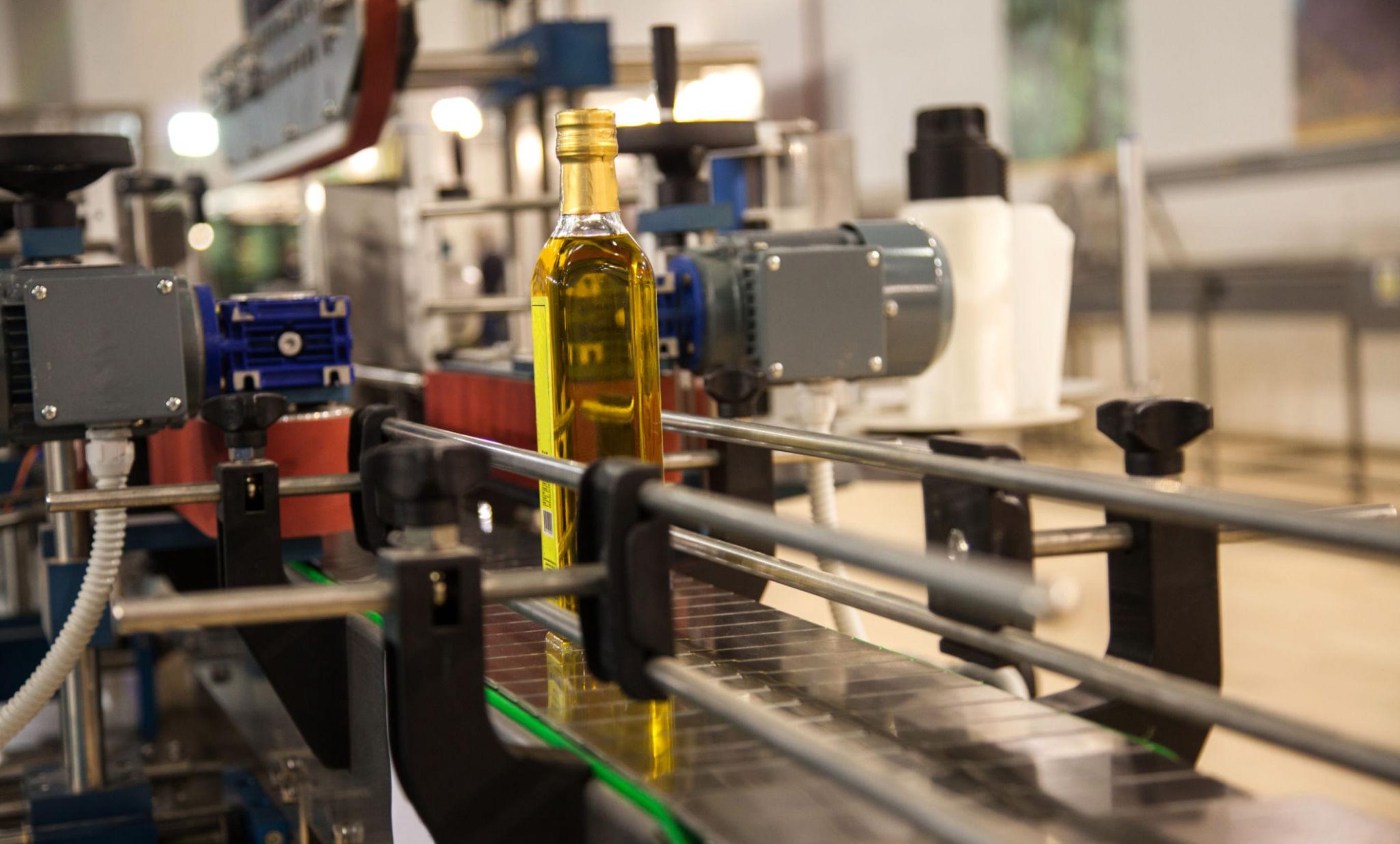
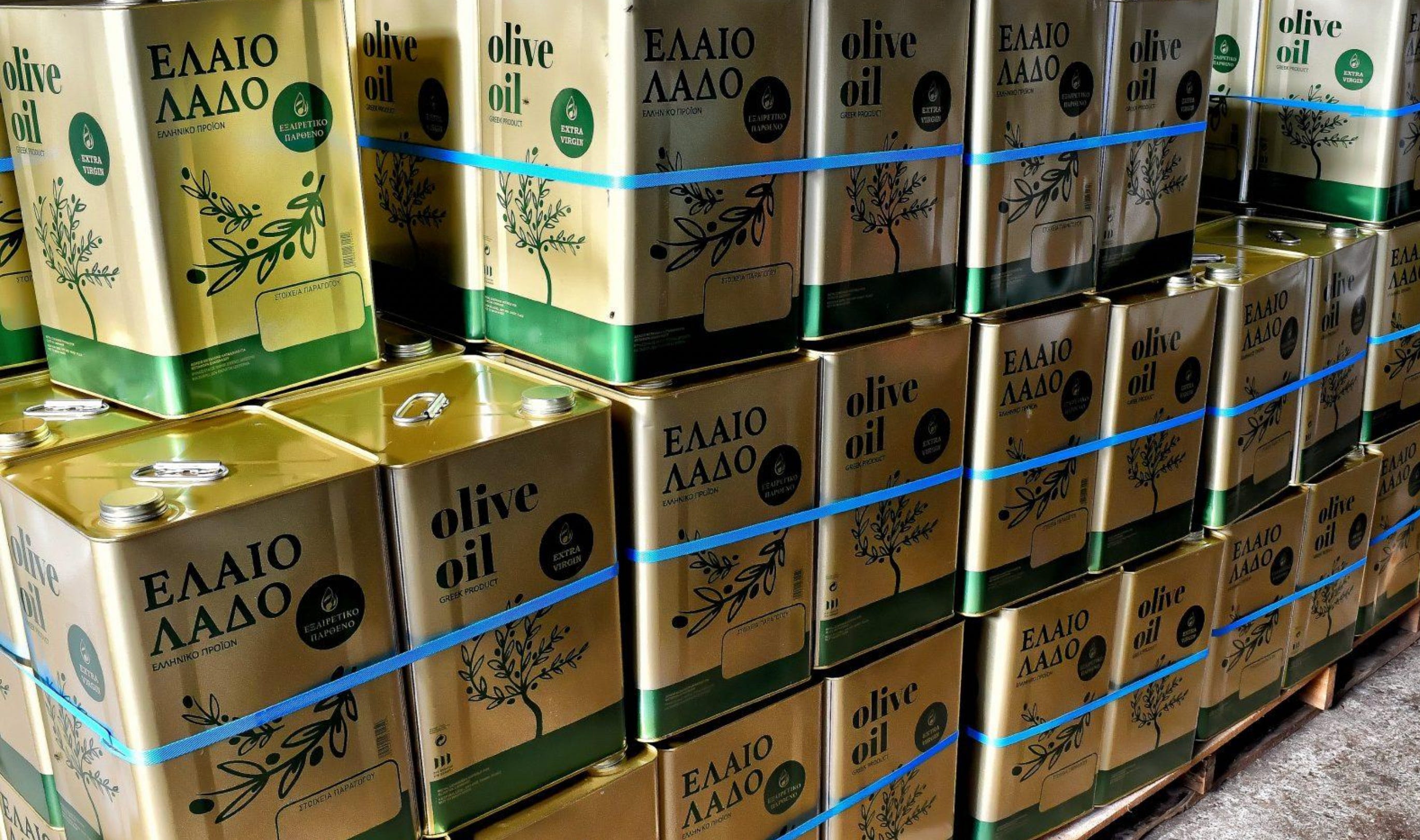
For Greek farmers, the relationship is both lifeline and frustration. The Italian market ensures steady demand yet erases identity. “My oil wins awards in Italy,” explains Fotini Papadopoulou, a producer from Messinia interviewed in 2024 about the cross-Adriatic trade. “Only, it wears an Italian passport,” he adds, laughing. She once tried bottling under her own label but couldn’t match the cost of Italian glass, design, and marketing. “They sell a story - hills, villas, romance,” she says. “We sell truth in a plastic jug.”
Italian companies spend fortunes crafting regional myths - Tuscan hills at sunset, nonna with a wooden spoon. Greek branding rarely matches the theatre. “Italy perfected narrative capitalism,” Ferri explains. “Greece still tells the truth - badly.”
Did You Know? (Part II)
Design dominance: Italy exports three times as many olive-oil bottles as it fills; packaging alone is a €600 million industry.
Koroneiki DNA: Genetic testing often identifies Greek cultivar markers in “100% Italian” oils on international shelves.
PDO paradox: Tuscany’s PDO region bottles four times more oil than its groves produce.
Sensory tell: Peppery back-throat burn and deep emerald colour usually signal a Greek-heavy blend.
EU reforms in 2022 tightened rules: any bottle using more than 50 percent non-Italian oil must declare “Blend of EU olive oils.” Yet labels often hide the phrase in 5-point font on the back. “Consumers glance at the tricolour flag and stop reading,” says Ferri.
Greek officials complain but rarely act. The trade brings in export revenue even if credit flows abroad. The simple reason is scale. Greece has over 350,000 smallholders, most farming less than five hectares. Fragmented production means high costs and low bargaining power. Italy’s cooperatives and conglomerates offer liquidity - and prestige.
“Without them, a lot of Greek oil would never leave the port,” says my friend Spyros. “But with them, it leaves under the wrong name.”
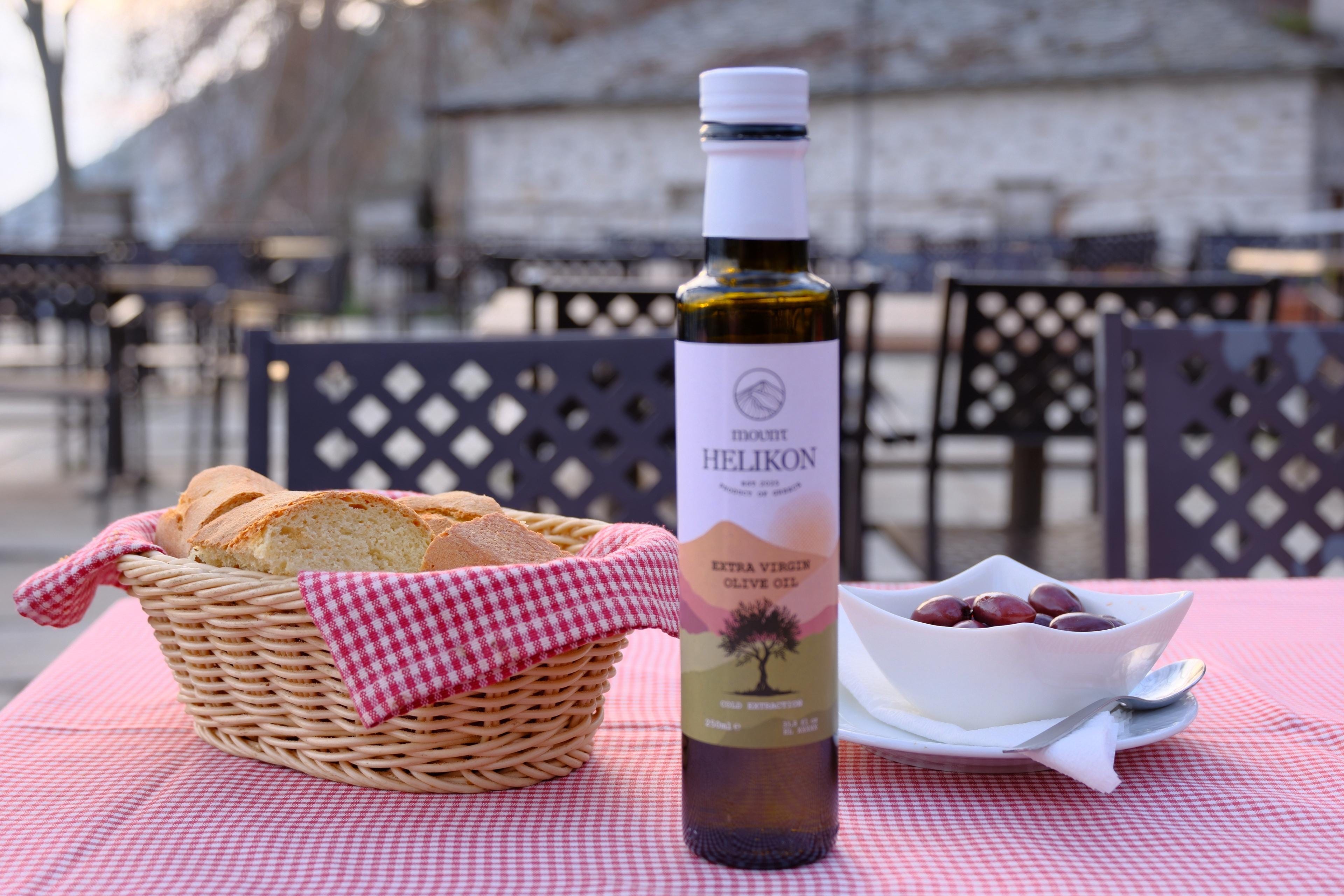
Some producers are pushing back. The Kalamata PDO campaign now demands stricter origin labelling, while new cooperatives in Crete and Lesvos export directly under traceable QR codes. “It’s not nationalism,” says Fotini. “It’s fairness. Consumers deserve to know whose sun they’re tasting.”
Did You Know? (Part III)
Greek dominance: Despite its smaller size, Greece consistently ranks #1 in extra-virgin quality ratio - over 80 percent of output qualifies as extra virgin.
Tanker truth: Each stainless-steel truck carries ≈30,000 litres, enough to fill 60,000 half-litre bottles later labelled “Italian.”
Blockchain pilots: The Ellada Pure Oil cooperative in Crete now tags every batch on a digital ledger visible to buyers.
Cultural echo: The same trade route moved olive oil to Venice during the Renaissance, history repeating, just with GPS.
At a blind tasting in London, a panel recently ranked an “unknown Messinian sample” above several Tuscan icons. When the reveal came, the room buzzed with shock.
That truth is gaining traction. Young Greek exporters are finally learning Italy’s other secret weapon: storytelling. Labels now feature poets, saints, even GPS coordinates of single trees. “Authenticity is our luxury,” says Fotini. “You can’t fake geography forever.”
Sources
I need to show this to my mom…