It started, as many Greek food scandals do, with a taste that felt wrong.
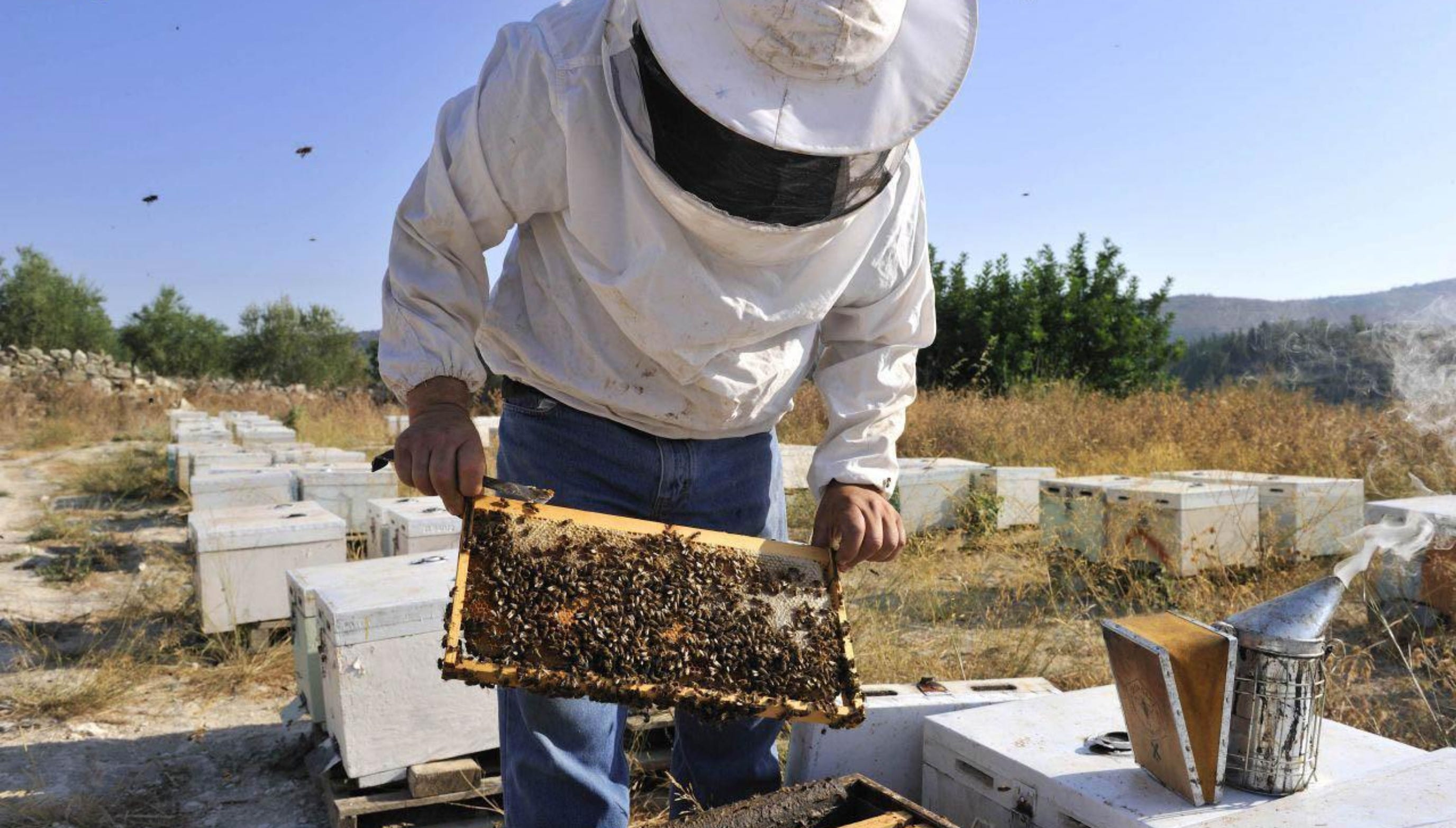
A beekeeper in Thessaly, stirring his latest batch, noticed the honey wouldn’t crystallise. It stayed glassy and thin, even after weeks in the cold. When lab tests came back, the explanation was both simple and infuriating: the sample was nearly half sugar syrup, imported from China, re-labelled as “Greek wildflower honey.” And that was only the beginning.
Honey fraud is the quiet giant of global food crime. It doesn’t make headlines like wine scandals or fake parmesan, but it’s everywhere. According to the European Commission, up to 46% of honey samples tested in 2023 contained foreign sugars or undeclared additives.
The method is elegant in its simplicity. Industrial producers dilute natural honey with cheap syrups made from rice, beet, or corn. Then they use ultrafiltration to remove the pollen (the honey’s fingerprint) erasing any evidence of origin. Once filtered, the syrup can be re-blended and rebranded as “European” or “Greek.”
Commenting on the scandal, Dr. Sofia Anagnostou, a food chemist at the University of Ioannina, said, “It’s money laundering. But instead of washing cash, they’re washing sugar.”
Greece in the crossfire
Greece, famous for its thyme and pine honey, has become collateral damage. Its small-scale beekeepers can’t compete with industrial imports that sell for half the price.
“The prices in supermarket tell their own story and that is most honeys you buy are, put simply, fakes.” says Christos Skarlatos, my friend, a beekeeper and one of Greece’s only three honey sommeliers. “Our honey, like all natural ones, costs €10-12 a jar. The fake one costs €4. They look real, they’re branded nicely and the wording on the jar provides an illusion of natural, hive-derived honey.”
When inspectors tested 33 “Greek” brands last year, 12 were fraudulent. Some were bottled domestically using imported bulk honey from Eastern Europe and Asia. Labels read “Product of Greece,” but the bees (and the profits) came from elsewhere.
For honest producers, the consequences are brutal: plummeting prices, tarnished reputation, and disillusionment. “It’s really hard to have a fair fight with sugar syrup.”
Did You Know?
Chemical camouflage: Syrup adulteration is detected through isotope ratio testing - analysing the carbon signature of sugars.
Honey fingerprint: True honey contains pollen grains unique to its floral source and region.
European sting: Operation Opson XI (2023) seized 2,000 tonnes of adulterated honey across the EU.
Greek purity: Authentic Greek honey typically crystallises within 3–6 months - a sign of natural sugars, not flaw.
‘Fake honey’ factories springing up across China
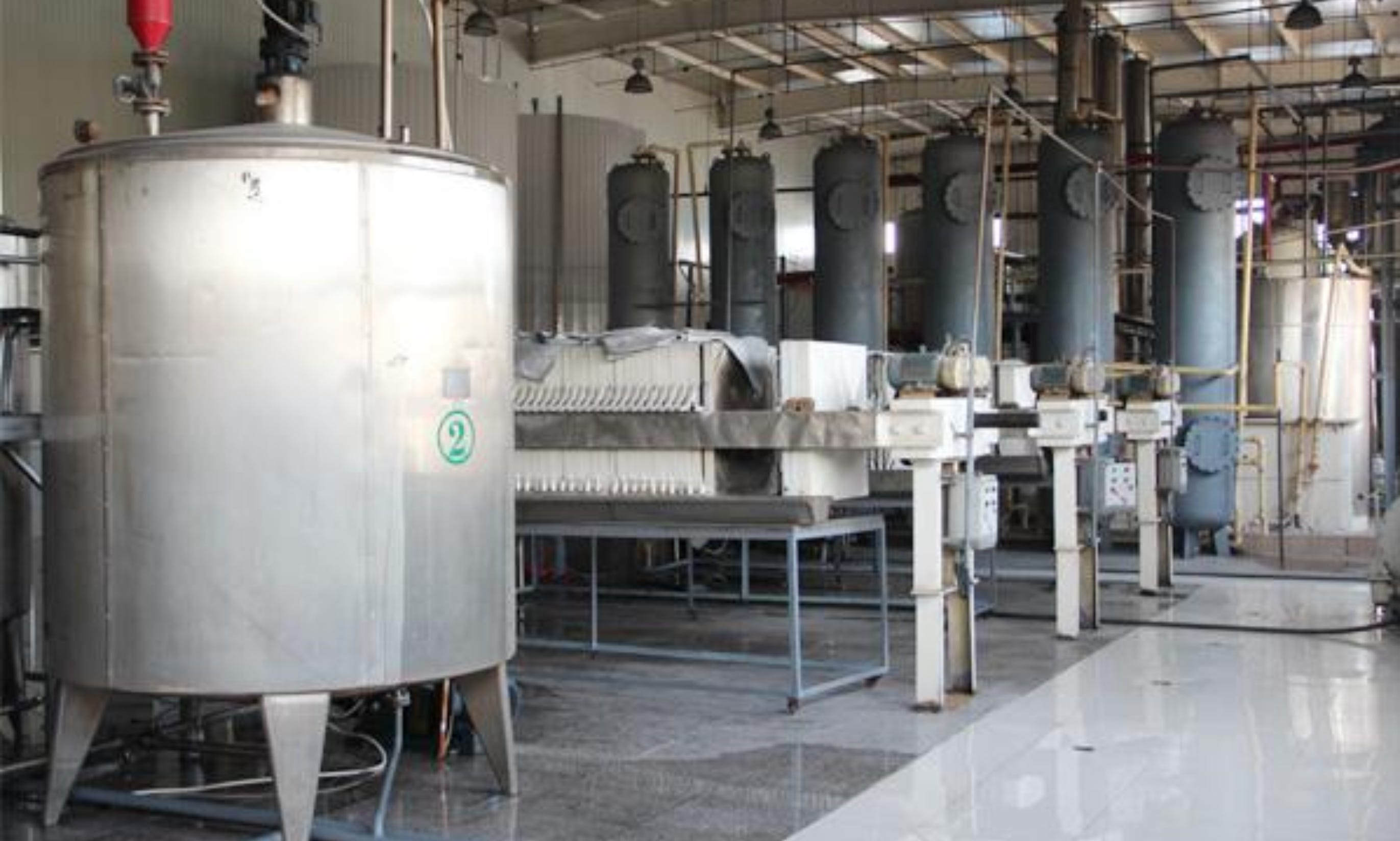
In Shandong, China, and parts of Eastern Europe, entire plants specialise in “reconditioning” honey. Barrels arrive containing syrup blends; technicians adjust moisture, colour, and viscosity to mimic different varieties. Want “Cretan thyme”? Add herbal extracts. “Pine honey”? A few drops of resin flavouring.
“It’s chemistry, not agriculture,” says Dr. Anagnostou. “They can reproduce taste profiles down to the gram.”
The irony is that Greek honey’s unique mineral richness (from its volcanic soils and wild flora) makes it harder to replicate perfectly. Sophisticated counterfeiters now mix 10–20% real Greek honey into their syrups to pass authenticity tests.
The science of detection
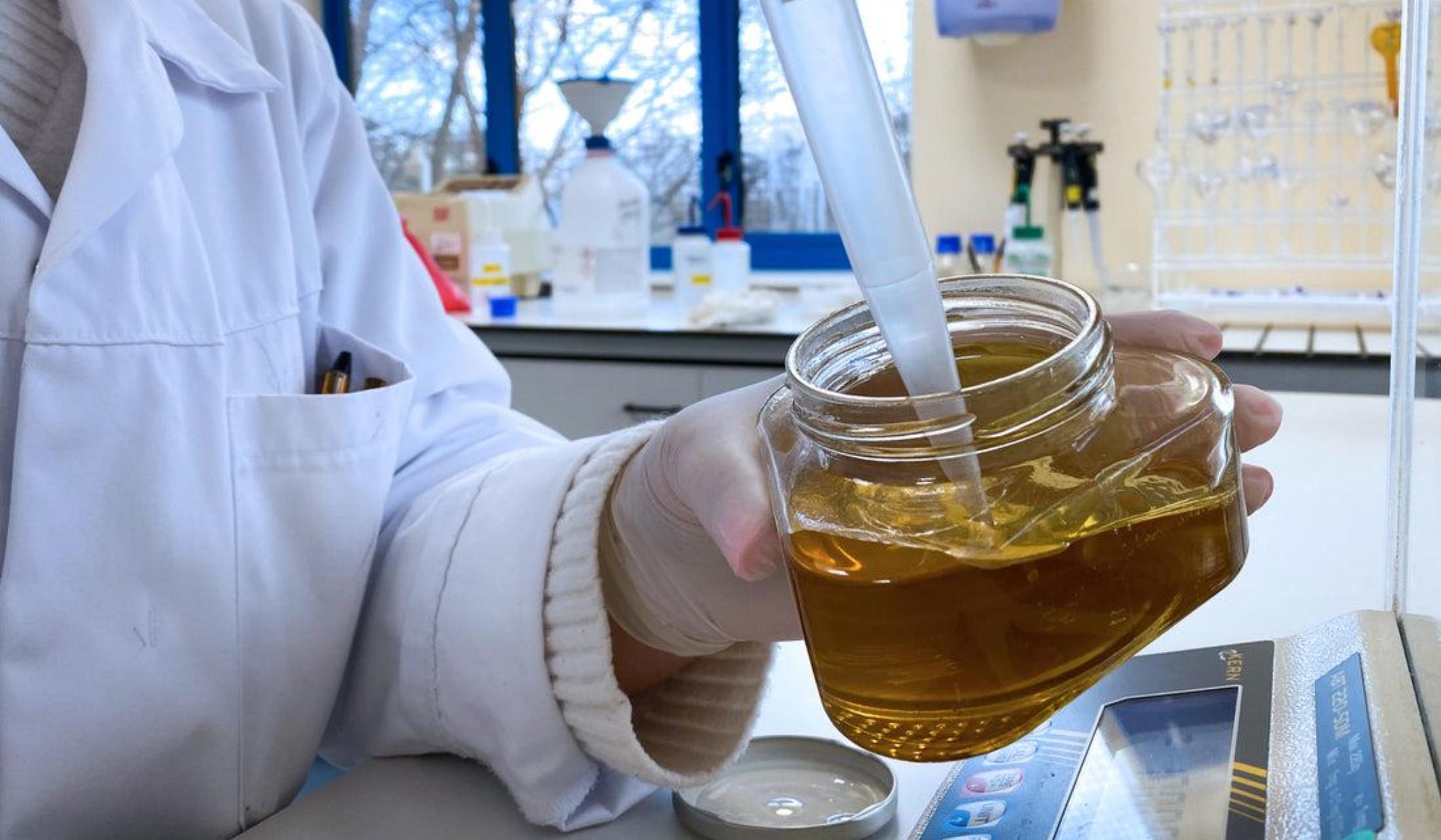
Inside the Athens Food Safety Laboratory, technicians run samples through high-resolution mass spectrometers. The machines analyse stable isotopes of carbon and hydrogen, looking for anomalies. Syrups made from C4 plants (like corn and sugarcane) leave a distinct chemical signature - a ghost of industrial agriculture hiding in a jar of “wildflower.”
“But the fraudsters evolve as fast as the science,” says lead analyst Maria Korres. “They’re now using syrups made from C3 plants, like rice or beet, which mimic honey’s isotope profile almost perfectly.”
So, the labs are fighting chemistry with chemistry. New tools (nuclear magnetic resonance (NMR) and pollen DNA barcoding) can unmask even ultrafiltered blends. “We can’t stop it entirely,” says Korres, “but we can make cheating expensive.”
Did You Know? (Part II)
NMR technology: A “molecular fingerprint” method that can identify even 1% foreign sugar.
Global price gap: Genuine Greek honey sells for €8–10/kg; adulterated imports undercut it at €3–4/kg.
Heat damage: Industrial pasteurisation destroys honey’s enzymes and aroma compounds.
Longevity myth: Real honey never spoils; fakes often ferment or separate within months.
The cultural casualty
For Greek producers, honey is more than a commodity. It’s a narrative of landscape - thyme in spring, pine in autumn, wild oregano on rocky hillsides. “Each jar tells a story of our land – and of a tradition that goes back millennia,” says Christos.
Some beekeepers now stamp jars with GPS coordinates of their hives or QR codes linking to video footage of harvests. A few have banded together under the Authentic Aegean Honey cooperative, using blockchain tracking and voluntary lab audits. “We decided to fight lies with transparency,” says the group’s founder, Eleni Moustaka.
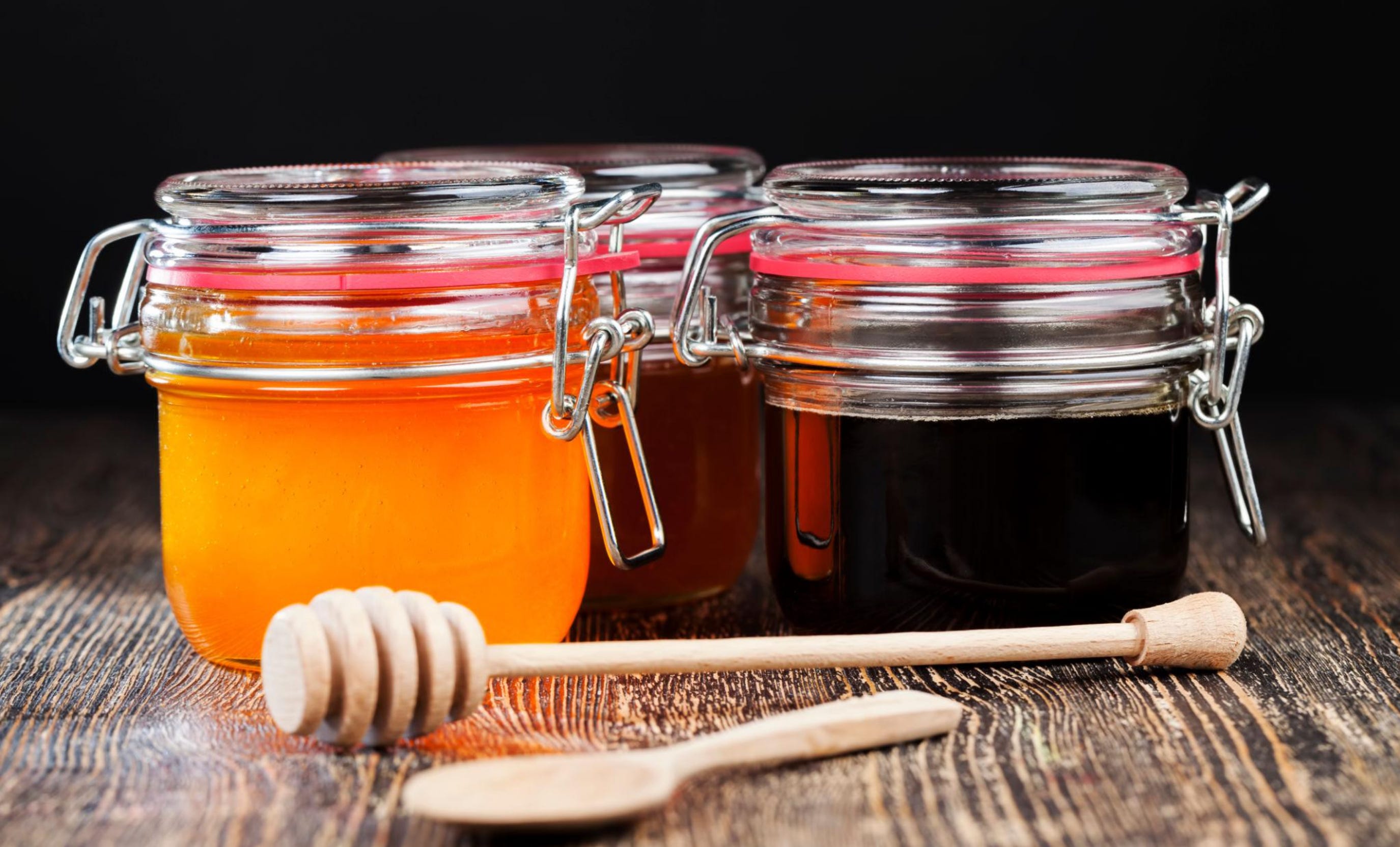
Their efforts are slowly gaining recognition abroad. Michelin-starred chefs now request traceable Greek honey for its mineral complexity. At a tasting event in Athens, Christos lines up three jars: one fake, one blended, one real. To the naked eye, they look identical - liquid amber. But the smell tells the story.
The fake is sugary, one-note. The blended jar smells faintly floral. The real honey hits like perfume: thyme, citrus, a whisper of smoke. He dips a spoon, tastes, smiles. “There is texture. There is an aroma and a related flavour. It’s complex and that complexity is a good first sign that this is the real thing.”
Food scandals fade from headlines, but they linger in trust. Greek honey once symbolised purity, health, and divine connection - ambrosia, the food of gods. When that becomes suspect, something larger erodes: faith in the idea that taste can still mean place.
The European Commission’s new traceability laws, due in 2025, may help - requiring full disclosure of origin and blend percentage. But for small producers, survival will depend on storytelling as much as chemistry. “Beekeepers like make have a huge challenge on our hands. But it’s worth it. We have to remind people what real honey feels and tastes like,” says Christos.
In Thessaly, that beekeeper who found the fake honey keeps one jar on a shelf as a reminder. “I couldn’t throw it away,” he admitted in an online interview. “It looks too beautiful.” He turns it slowly in the light — flawless, golden, and utterly hollow. “That’s what we’re fighting,” he says quietly. “A beauty with no bees behind it.”