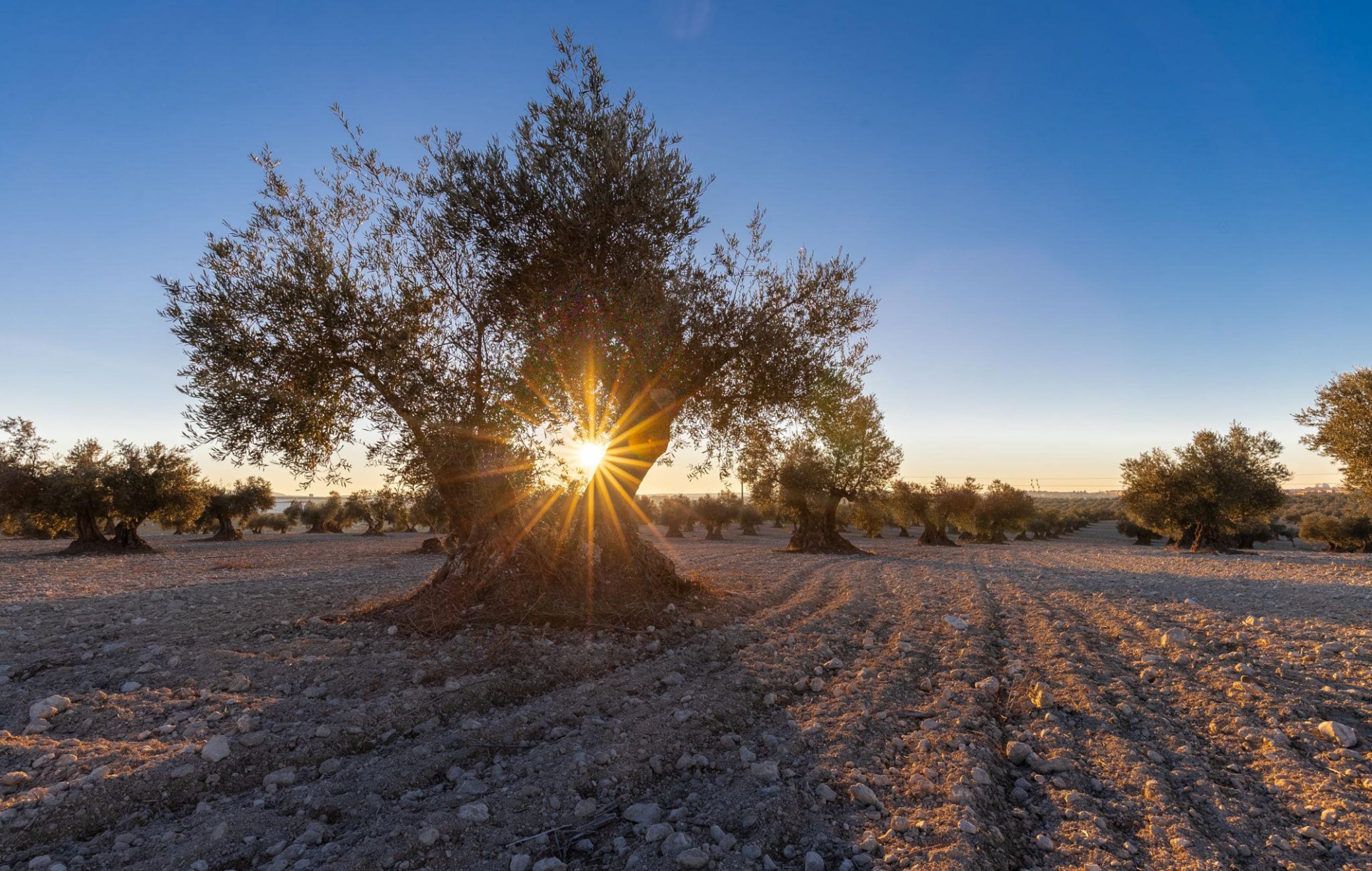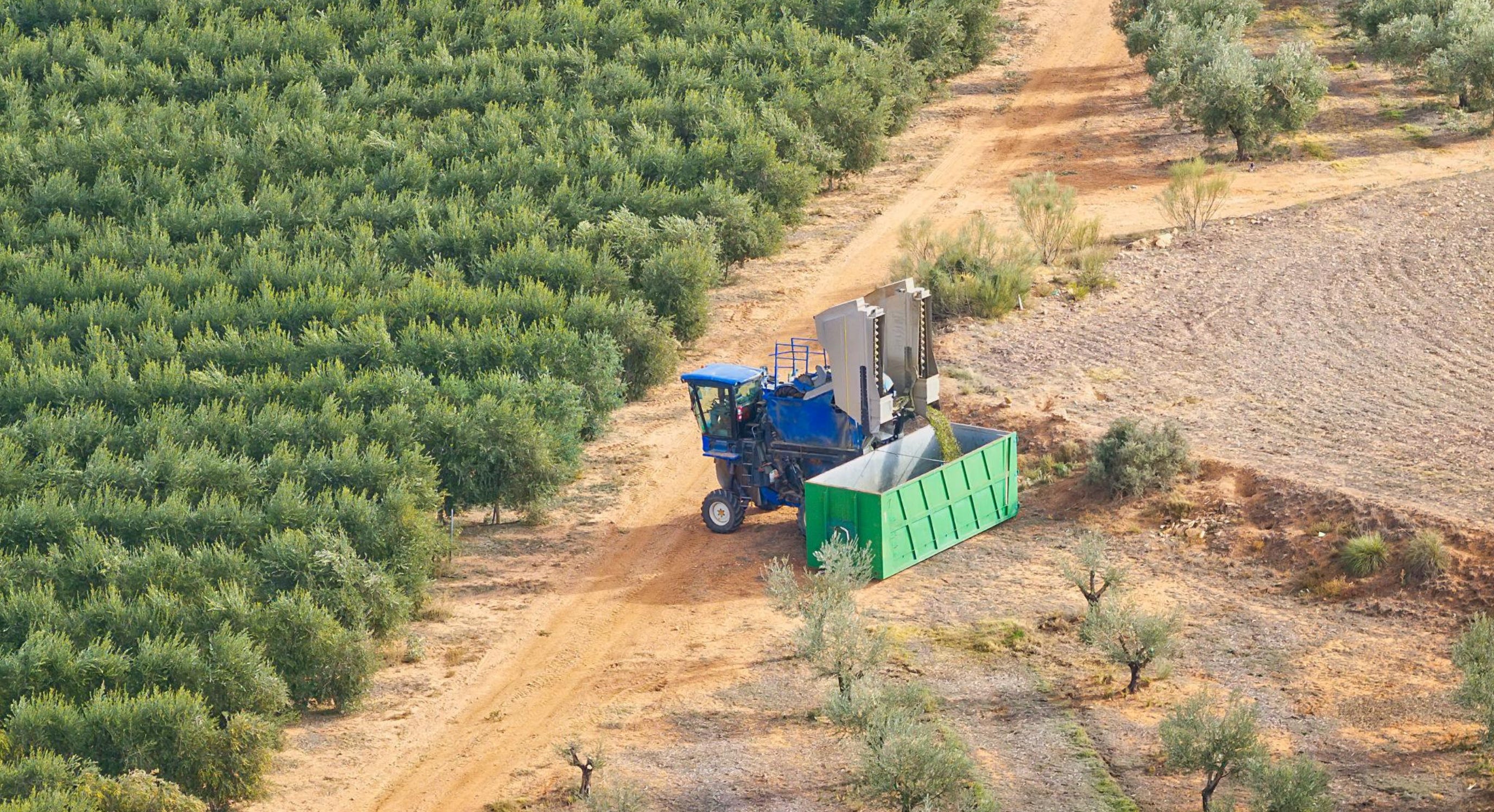
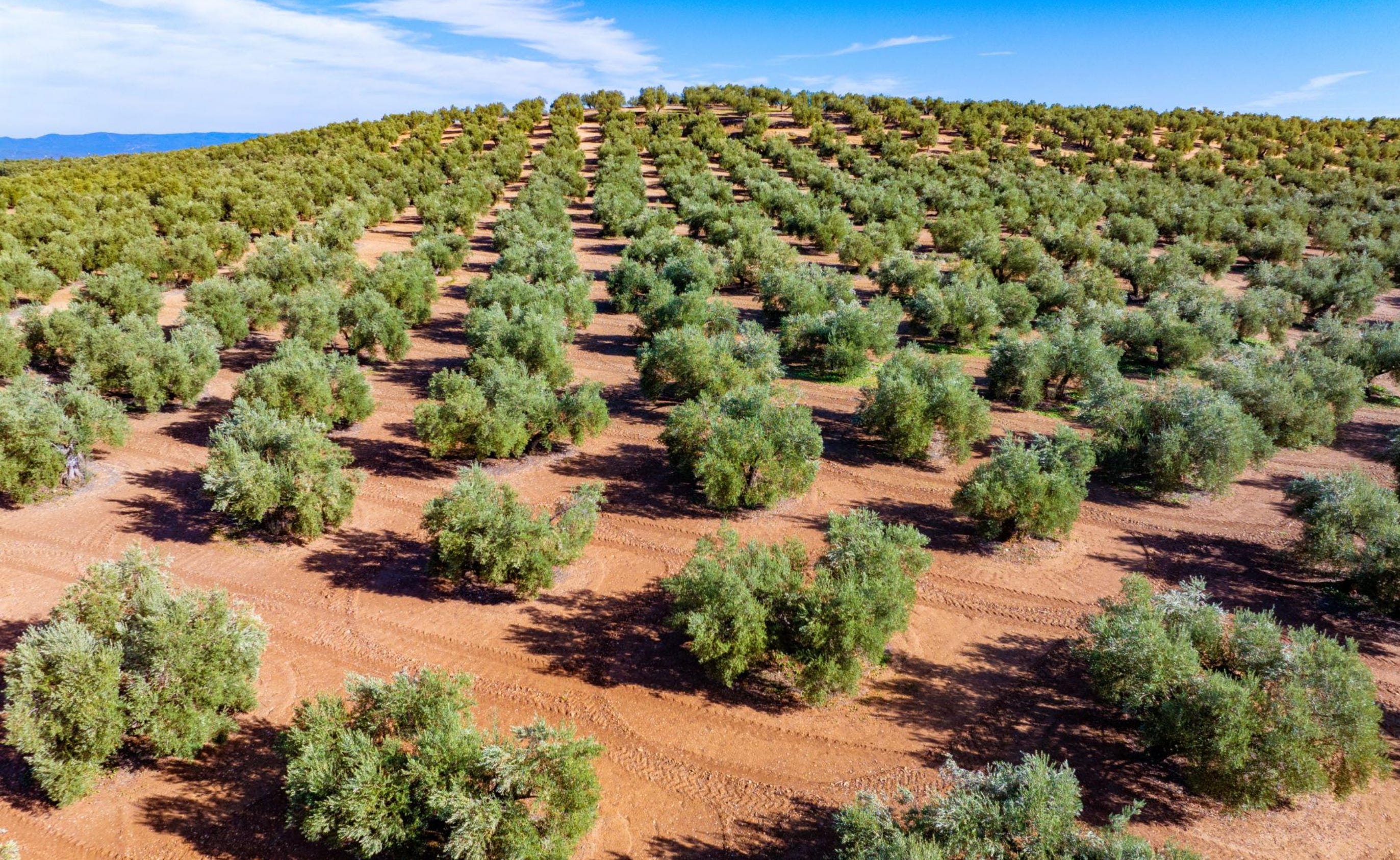
Fly over Andalusia in October and the land looks like graph paper: endless olive trees, regimented in perfect lines, shimmering like scales on a giant reptile. Fly over central Greece, Messinia in the Peloponnese or Crete, and the pattern breaks - trees scattered among rocks, goats, and dry stone terraces, each one twisted and individual.
From the air, you can already see the story of Spanish and Greek olive oil; one built for scale, the other for stubbornness. Both ancient, both proud, both convinced theirs is the truest expression of the Mediterranean. The truth, as always, lies somewhere in the bottle.
Industrial giant vs mountain poet
Spain is the undisputed titan of olive oil. It produces over 1.3 million tonnes per year (nearly half of global output) compared with Greece’s 250,000 tonnes. Andalusia alone has more trees than the entire Greek peninsula.
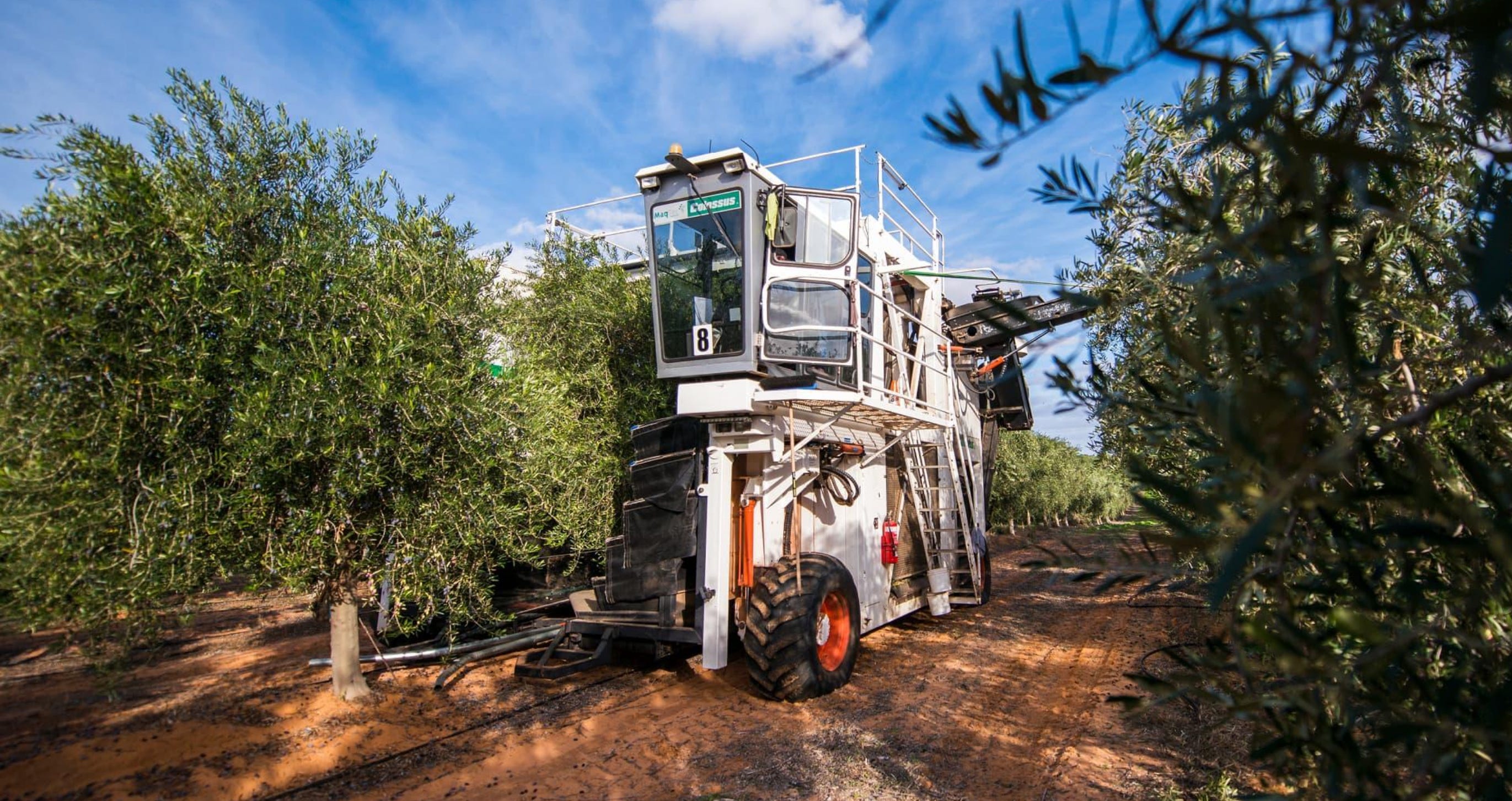
The difference isn’t just geography; it’s philosophy. Spain industrialised early, planting vast monocultures of Picual and Hojiblanca olives on irrigated plains, harvested by vibrating machines that shake fruit into nets. Efficiency is everything.
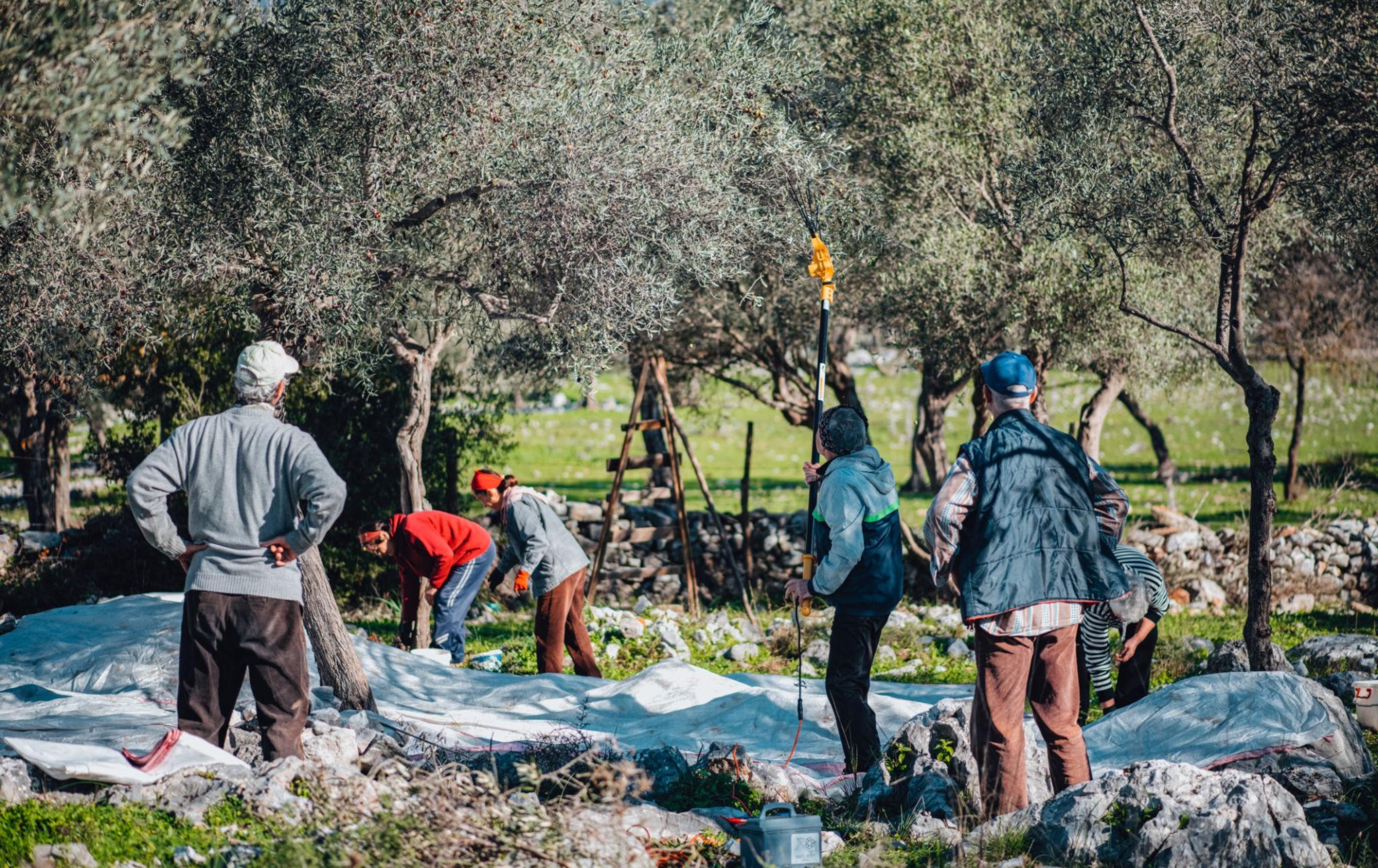
Greece, by contrast, farms in fragments: family groves of a few hundred Koroneiki or Manaki trees, scattered across hillsides. Harvests are still mostly manual or semi-manual. Many Greek families own small holdings with tens, if not hundreds of trees, passed down from generation to generation.
Spain treats olive oil as a crop. Greece treats it as kin.
Did You Know?
Global share: Spain produces ~45% of the world’s olive oil; Greece about 10%.
Tree density: Spanish super-intensive farms can hold 2,000 trees per hectare; Greek groves average 80–100.
Mechanisation: Over 95% of Spanish olives are machine-harvested; in Greece, it’s under 50%.
Heritage: Many Greek trees are 300–800 years old, still hand-picked every winter.
In a Spanish mill near Jaén, stainless-steel pipes hum like a refinery. The process is fast and immaculate - olives crushed within hours, temperatures precisely controlled. Computer screens track acidity, peroxide, and polyphenol levels. The goal: uniformity.
Spain’s olive sector behaves like its wine industry: vast cooperatives, precision tech, and professional marketing. Oils are blended for consistency – mild and buttery. “It’s a product of engineering,” comments Dr. Alberto Ruiz, an agronomist at Córdoba University.
In Greece, production resembles jazz. Small mills serve clusters of families; every batch is slightly different. “You can taste who picked it and when. Each grove of trees has its own character – with the terroir influencing the quality and flavour of the olive oil they produce,” explains my cousin Ziad. Both of us have plots of olive trees that we co-manage and use to produce olive oil for the family.
Greece produces proportionally more extra virgin oil than any other nation - over 80% of its total output. But it struggles to brand or export it directly, often selling bulk to Italy or Spain for blending.
Did You Know? (Part II)
Quality ratio: 80% of Greek oil is extra virgin vs 65% in Spain.
Acidity average: Greek oils often test at 0.2–0.3%, far below the 0.8% EU limit.
Polyphenol edge: Greek Koroneiki oils rank among the world’s richest in antioxidants.
Blending bias: Spanish exporters buy Greek oil to “lift” their blends’ peppery flavour and quality.
Industrial light and artisanal shadow
Spain’s industrial scale brings brilliance - and risk. Super-intensive farms rely on irrigation and chemical inputs; drought now threatens both. “We pushed trees to act like machines,” Ruiz admits. “Now the climate is breaking the gears.”
In 2023, a record heatwave slashed Spanish output by 50%, triggering global shortages and price spikes. Consumers will have seen that in the price of olive oil on supermarket shelves – in some cases, quadrupling in cost.
Greece, with smaller, rain-fed groves, suffered less.
“The chaos of multiple small-holdings, each with its own flora, and varieties of olive trees - that’s actually one of its ecological strengths, building resilience,” Ziad says.
But Greece’s romantic fragmentation has its own cost: low yields, high labour, and little capital for marketing or R&D. Many small farmers still sell oil in plastic drums at petrol stations.
Price and prestige
Walk into a supermarket in Madrid, and you can buy a litre of good Spanish extra virgin for €7–10. In Athens, the same quality often costs €12–15, because Greece exports much of its best oil and relies on small-batch bottling.
On the global stage, Spanish and Italian brands dominate shelves and competitions. They mastered storytelling – seemingly premium extra virgin brands but affordable prices. And that affordability is derived from the massive industrial production processes used by Spain and the investment into branding applied by Italian producers.
Greek brands, by contrast, appeal to the niche - single-estate, cold-pressed, poetic labels featuring marble statues and Homeric quotes. Spain sells on price, while Greece tries to sell on ‘character’.
Did You Know? (Part III)
Market paradox: Spain leads in quantity; Greece leads in quality metrics - yet earns less per litre.
Export pattern: Over 70% of Greek oil leaves the country in bulk; less than 10% carries a branded Greek label.
Price spike: In 2024, wholesale Spanish oil hit €8/kg, double the previous year - a record high.
PDO powerhouse: Spain boasts 33 Protected Designations of Origin (PDO); Greece has 30 - most underused.
Blind tasters can usually tell the difference. Spanish oils tend to be round, mellow, nutty, with notes of tomato leaf and almond - designed to please a broad palate. Greek oils are spikier, greener, intense with artichoke and rocket.
For chefs, both have roles: Spanish Picual oils excel for frying and confit; Greek Koroneiki shines raw, where bitterness becomes brightness. “It’s the difference between piano and violin,” Ziad says. “You simply need to know when to play which, and for what purpose.”
Ironically, both countries now look to each other for lessons. Spanish cooperatives are adopting Greek-style single-estate marketing to court gourmet buyers. Greek producers are studying Spanish logistics to scale exports without losing identity. Spain wants authenticity, while Greece wants efficiency.
The European Green Deal adds new urgency: both must cut carbon, water use, and pesticides. Spain is trialling regenerative olive farming, planting cover crops between rows to trap carbon. Greece is experimenting with biodiversity corridors in traditional groves. The race is no longer for dominance, but for survival — of trees and taste.
Did You Know? (Part IV)
Carbon sink: A hectare of olive trees stores up to 8 tonnes of CO₂ annually - more than most vineyards.
Drought defence: Greek dry-farmed Koroneiki trees use 70% less water than irrigated Spanish Picual.
Labelling reform: EU 2025 guidelines will require clearer origin disclosure for blended oils.
Future flavour: Climate models predict sharper, more bitter oils as Mediterranean heat rises.
In Jaén, a drone maps the orchard like a spreadsheet. In the fields near Kadmus, the mill my cousin Ziad and I co-own, a farmer still taps a tree and listens to the hollow sound that means the olives are ready. Both produce oil that glows green-gold in the light.
Pour them side by side and the difference is visible: Spain’s calm sunshine, Greece’s electric green. One made by industry, one by intimacy. Both, in their own way, are acts of devotion. In the end, olive oil isn’t a competition. It’s a chorus - and both Spain and Greece are singing the same song, in different keys.