


Before there is olive oil, there is ache.
Not the elegant drizzle on salad plates or the “notes of pepper and grass” in tasting rooms, but the ache of backs bent for ten hours, of ladders scraping bark, of forearms shining with green pulp.
Every bottle of Greek extra virgin begins in this choreography of toil — half devotion, half endurance. It is not factory work; it’s a kind of liturgy.
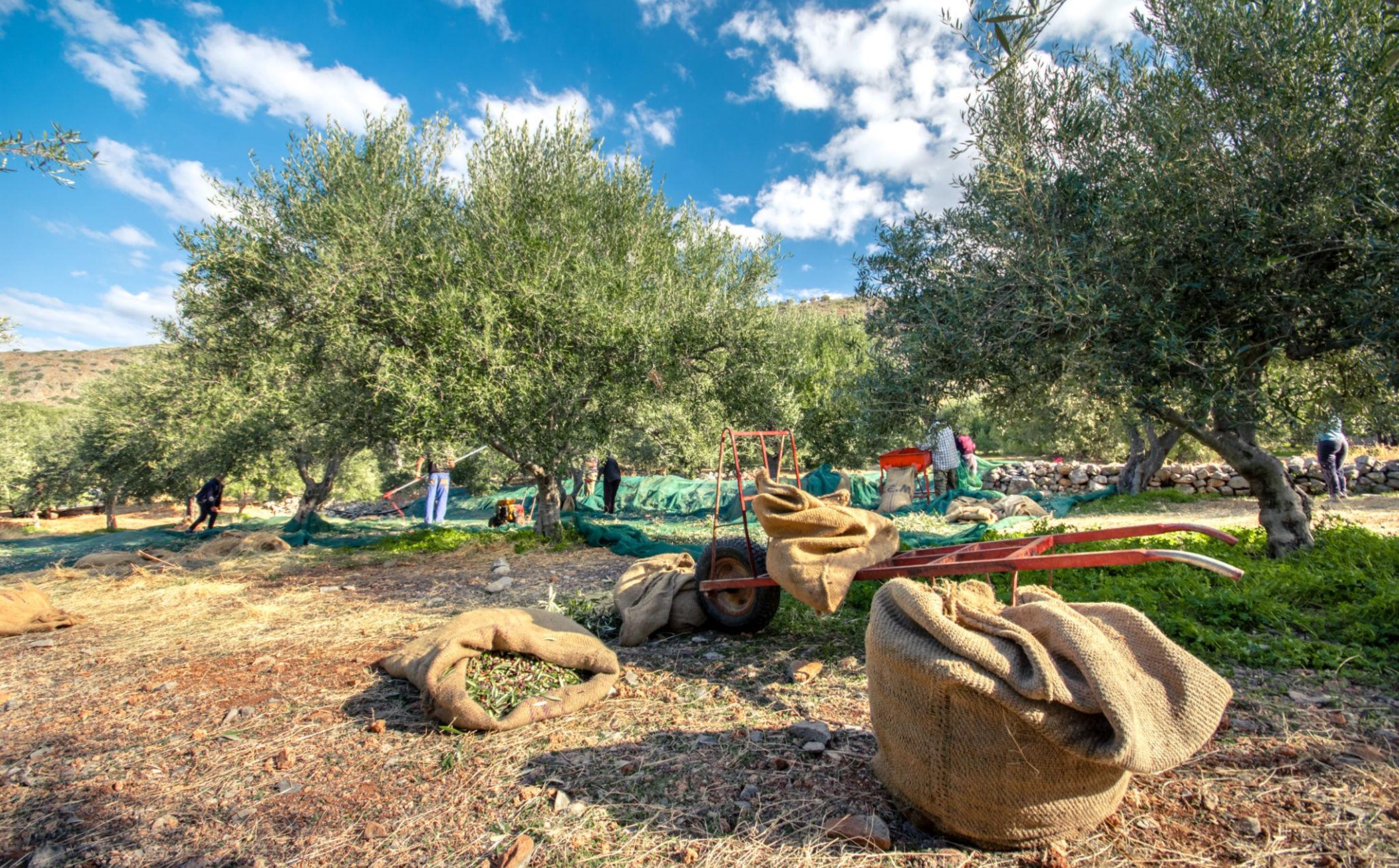
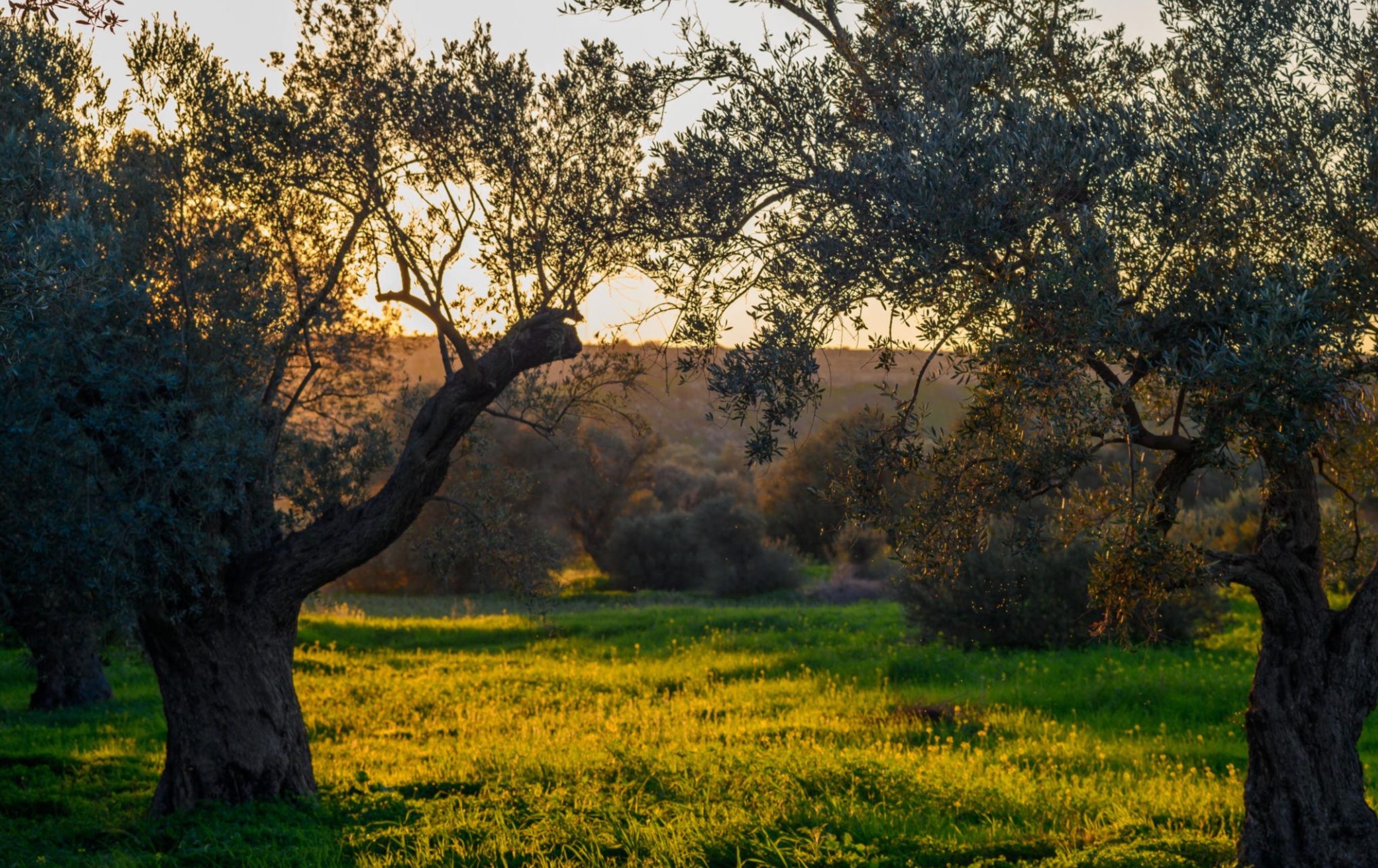
At 7:30 a.m., in the fields near Poseidon’s Temple at Sounion, my family gathers in the grove. A transistor radio crackles to life. The air is cold, scented with rain and crushed leaves. Nets unfurl like green oceans beneath the trees.
“Olive picking is not work,” says Tina, one of my Greek relatives. “It’s part of life and traditions. We follow its’ rules.” She means the rules that relate to the seasons, the weather, and the trees.
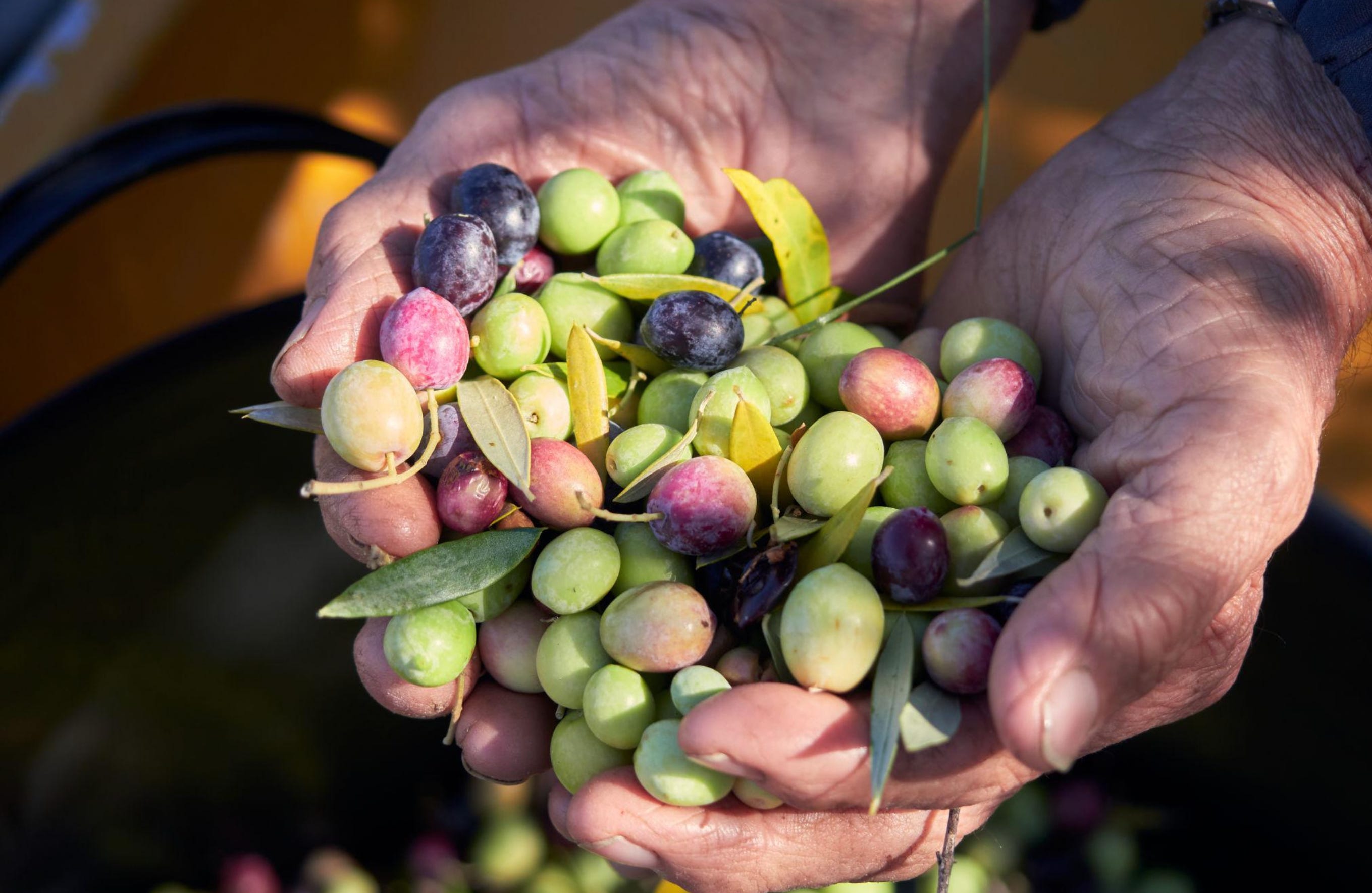
By sunrise, the first branches shake under wooden combs. Olives fall like rain. Every few minutes someone shouts “Prosochi!” (“Watch out!”) as a ladder shifts or a branch gives way.
Each worker develops a tempo - tap, rake, gather, bend, pour. The sound becomes its own kind of song. At midmorning, they break for bread, feta, and olives from last year’s crop. “Fuel eating itself,” jokes Ziad, my cousin, wiping sweat from his face.
The work continues until the light turns golden and the hills echo with distant goat bells. Hands blister, fingers stain purple, muscles tremble. Nobody complains. “The pain is part of the process,” Ziad says, “If your feet and calf muscles aren’t aching by the end of the day, you haven’t really been picking olives properly.”
Did You Know?
Calorie cost: A picker burns about 4,000 calories in a single day of hand-harvesting.
Ladder lore: Many families still use ladders carved from local cypress - lighter, flexible, and believed to “respect” the tree.
Olive sap: The sticky residue on skin contains phenols with natural antibacterial properties.
Work ratio: It takes roughly 6–8 kg of olives to make one litre of extra virgin oil.
The mill as confessional
At dusk, they load sacks onto a truck and head to our family’s co-owned olive mill. The air hums with generators and fatigue. In line with them are farmers from the nearby villages, each guarding their day’s yield.
The mill operator, a rather grumpy but warm-hearted man named Spyros, tastes a drop from each batch. “Too ripe,” he mutters about one. “Too green,” about another. When our family’s early harvest oil starts flowing, he nods. “Sharp, clean, loyal. Still, not as good as last year’s”.
And that is the challenge. Each year, you wait in trepidation. Has the weather, the rains, the olive fly or some other factor affected the quality of your oil. This last year, every farmer we know (and across much of the Mediterranean) looks on glumly as less oil is produced and at a lower quality. The vagaries of all the factors affecting olive oil production contributing to lower yields and higher activity.
Faith in the grove
Still, the Greek olive harvest has always been half labour, half pilgrimage. In many villages, the season begins with a priest blessing the groves, sprinkling holy water on ladders and nets. The workers cross themselves before climbing the first tree. “For some this is about faith – in God and oil. For others, it’s just about luck” smiles Tina.
She remembers her grandmother lighting a small oil lamp before dawn, whispering a psalm: ‘The trees will clap their hands.’ “We still do it,” she says. “Because sometimes, they do.”
Did You Know? (Part II)
Saint of the olives: In parts of Greece, pickers pray to St. George the Sower, protector of groves.
Harvest window: The best oil comes from olives picked between mid-November and early December, before the fruit overripens.
Olive fatigue: There’s a name for the post-harvest soreness - liokopos, literally “olive fatigue.”
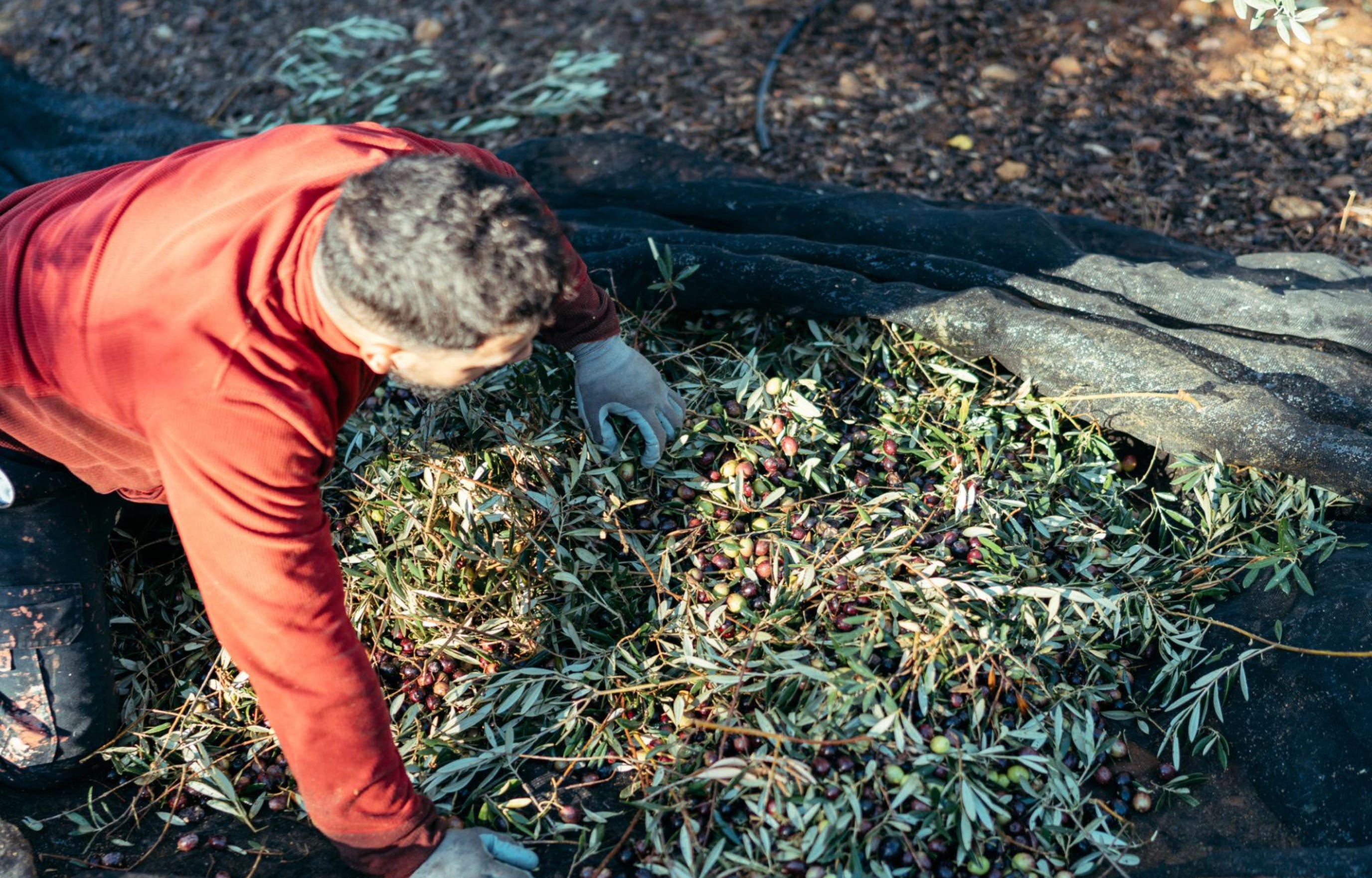
Women’s work: Historically, women dominated the gathering and sorting, while men climbed and carried - a balance still visible today.
Sweat as heritage
The world worships “extra virgin” as purity, but for Greek farmers, it’s proof of sweat. The phrase translates poorly into life: there is nothing virginal about weeks of bruised fingers, scraped knees, and 4 a.m. wakeups.
In Tina’s kitchen, jugs of new oil line the counter like altarpieces. The first drizzle onto bread is always eaten in silence. “That’s the moment,” she says. “When all that hard work pays off, and it becomes flavour, taste.”
Outside, the rain starts again – fine and silver. “Good for next year,” Ziad murmurs. “Every drop counts.”
Machines versus hands
Spanish and some Greek harvesters now use machines to shake whole trees in seconds. The resulting oil is clean and more profitable.
“It’s amazing to see and it has its benefits when you’re talking about the kind of huge industrially run groves in Spain. Spain is all about quantity. And you need machines for that.” Ziad explains. “And, yes, there are increasingly those kinds of fields here in Greece. But most still harvest by hand. It’s more practical for the vast majority of families with small groves. And there’s a romanticism about it you just can’t beat.”
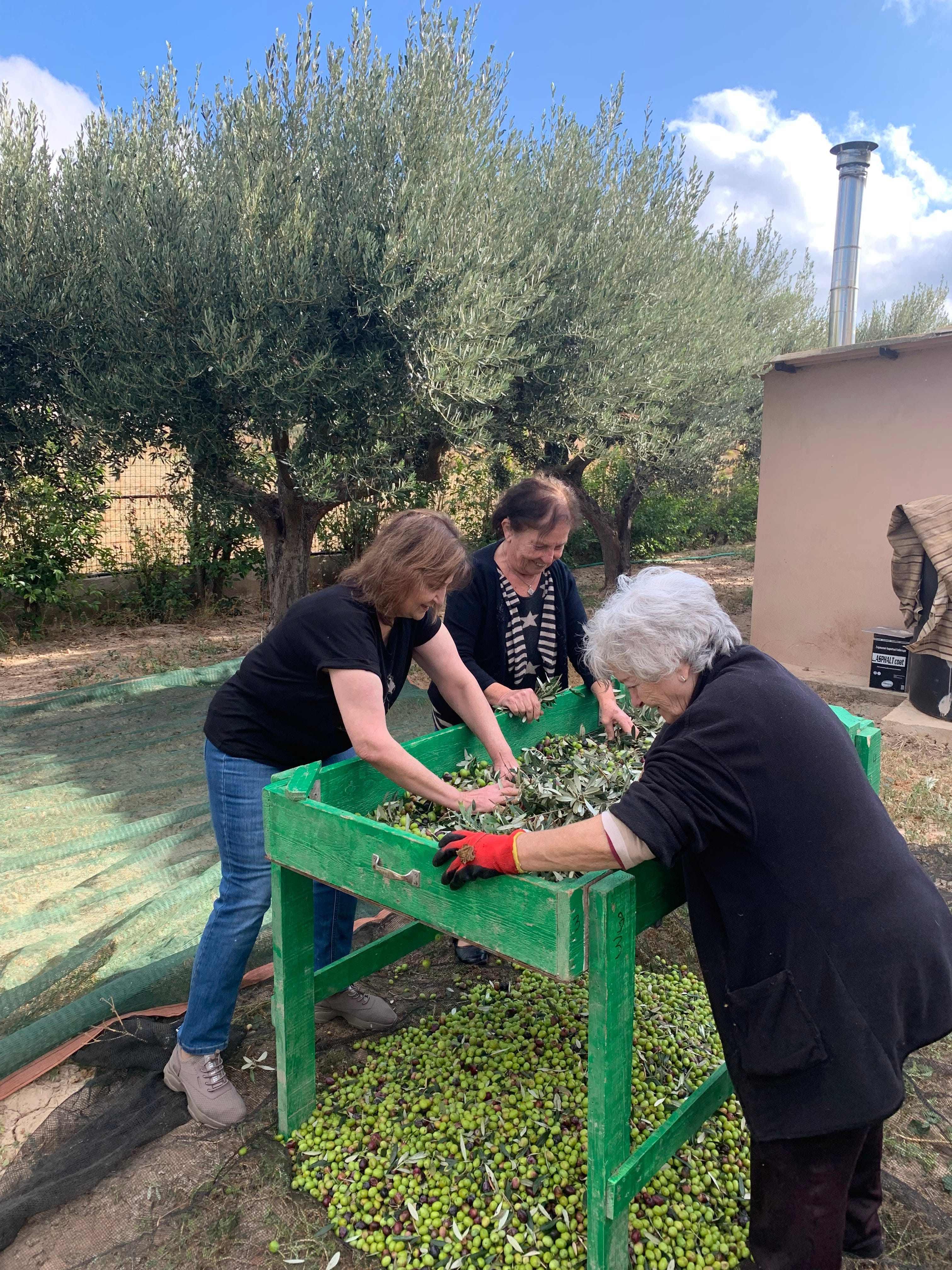
He gestures at his family, still sifting leaves by hand. “We won’t stop doing it by hand on our fields,” he says. “It’s a rare opportunity when we can come together, work together, and then share (literally) in the fruits of our harvest.”
For many, the grove is inheritance, identity, and insurance all in one. It feeds, heats, and blesses. Oil lights the church lamp, fries the morning eggs, soothes burns, and anoints the dead. It’s currency that never rusts.
The unseen costs
Climate change is making this ritual harder. Heatwaves desiccate fruit; rain comes too late. Labour is scarce - young people leave for cities, machines fill the gaps. But machines can’t replicate patience.
In 2024, a late frost destroyed half the Peloponnesian yield. Some harvested what they could, pressing small batches just for family. “You can’t fight the year,” Ziad said then. “You just survive it.” Survival, after all, is what olive trees do best. Some of hers have weathered wars, plagues, and power cuts. They’ll outlive her, she knows, and perhaps that’s the point.
At dinner, his mother pours the fresh oil over beans and lemon. It glows green against white plates. The flavour is raw and alive, stinging the throat. There’s no marketing gloss here, no designer bottle, no “farm-to-table” slogan - only oil, sweat, and prayers.
In the quiet after the meal, the radio hums a folk song about harvest love. Outside, the trees shift in the wind - a congregation of silver leaves whispering their own amen.
Sources