


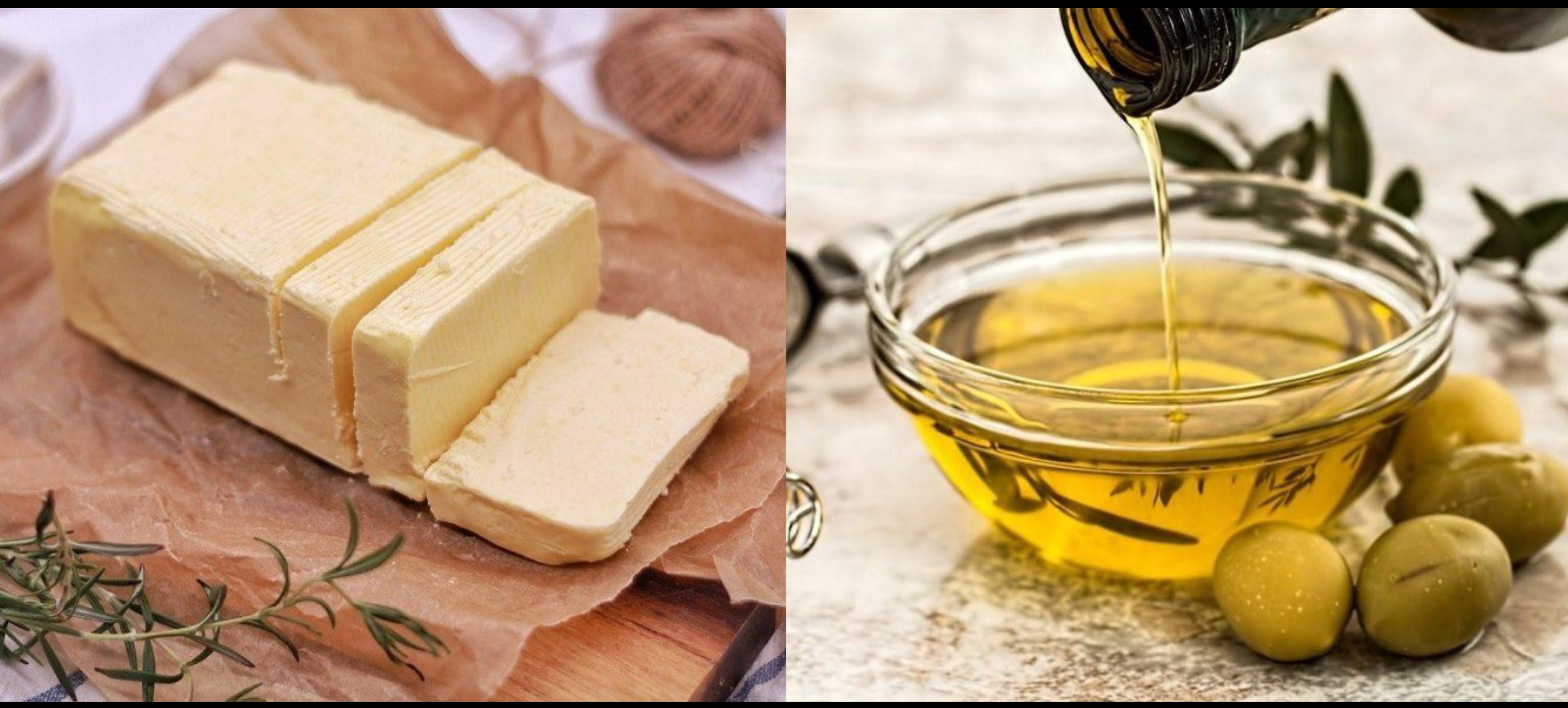
In ‘To Apomero’ a sunlit taverna not far from the ancient Temple at Sounion, the owner’s son drizzles olive oil over bread the way a Parisian might slice butter. “It’s our butter,” he says with a wink. Across the table, a friend of mine smiles politely - she’s heard this before. But beneath the folk wisdom lies a centuries-long argument between cream and olive, cow and grove, north and south.
For decades, olive oil has worn the halo of heart health while butter languished as its sinful cousin. But as nutrition science evolves (and food fashions shift faster than climate) the question returns: Was the Mediterranean miracle real, or just good marketing?
The fat wars
The story begins in the 1950s with Ancel Keys, an American physiologist stationed in post-war Italy. Keys noticed that Italians and Greeks ate far more fat than Americans but had fewer heart attacks. The difference? Their fat came from olives, not animals.
His Seven Countries Study made the Mediterranean diet famous: vegetables, fish, wine, and, above all, olive oil. Butter and lard were cast as villains. The world swapped croissants for ciabatta and called it progress.
Yet, as later critics pointed out, the study’s data were patchy, its methods uneven. Did olive oil really deserve sainthood - or just better PR?
Did You Know?
Composition clash: Butter is ~65% saturated fat; extra-virgin olive oil is ~75% monounsaturated.
Smoke point myth: Olive oil tolerates heat up to 190°C — safer for frying than butter.
Calories: Virtually identical — about 120 kcal per tablespoon.
Historic irony: 19th-century Greeks used butter for pastry and olive oil for lamps. Now, the reverse.
The biochemistry of goodness
Olive oil’s real advantage lies not in fat content but in what comes with the fat - polyphenols, tocopherols (vitamin E), and anti-inflammatory compounds like oleocanthal. These plant molecules act as microscopic bodyguards, reducing oxidation of LDL (“bad”) cholesterol.
Butter, by contrast, contains none. But it does deliver short-chain fatty acids and fat-soluble vitamins that nourish the gut and brain. “Butter isn’t poison,” comments Dr Maria Vrettou, a lipidologist at the University of Athens. “The trouble is excess and industrialisation.”
Still, population studies consistently show that replacing butter with olive oil cuts cardiovascular risk. Harvard’s 2022 meta-analysis found a 14% reduction in heart-disease mortality among people using at least one tablespoon of olive oil daily.
Butter’s brief comeback
In the 2010s, paleo and keto movements tried to resurrect butter’s reputation, touting “grass-fed” fats as ancestral fuel. Sales soared. Then reality set in: most diets simply added butter on top of existing fats, not instead. Waistlines noticed. Nutritionists sighed.
Chemistry aside, taste may be the best argument for olive oil. Where butter melts politely, olive oil announces itself - grassy, peppery, alive. Greeks don’t spread it; they baptise bread in it, drench beans, and crown fish.
Butter softens; olive oil brightens. One whispers of comfort, the other of sunlight. “The body knows which belongs to summer,” says my cousin Fadi Qanboura, a chef who cooks in both Athens and his home town of Haifa, Israel.
Still, he keeps both on hand. “Sometimes the recipe dictates which is better. Phyllo pastry needs butter. Lentils want oil. The ingredients tell you which will enhance their flavour and enrich their natural goodness.”
Did You Know? (Part II)
Blue-zone clue: On Ikaria, where centenarians abound, average olive-oil intake exceeds 30 litres per person per year.
Frying fact: Studies show olive oil produces fewer toxic aldehydes than seed oils or butter when heated.
Butter benefit: Contains butyrate, a compound linked to healthy gut bacteria.
Hybrid hack: Mixing olive oil and butter halves saturated fat and raises the smoke point - a chef’s secret.
The Mediterranean myth (and truth)
The “Mediterranean diet” wasn’t invented by doctors; it was observed by them. It described a pattern shaped by poverty, geography, and faith: long fasts, lean proteins, local produce, abundant oil. Olive oil wasn’t chosen for health but necessity. “Butter doesn’t grow on trees,” as Cretans say.
Yet that necessity bred advantage. Modern science keeps rediscovering what peasants once practiced instinctively: diversity, moderation, and trust in unprocessed food.
Nutritional scientist Dr Maria Vrettou explains, “The diet worked not because of olive oil alone, but because it came with beans, greens, and walking.”

So, is olive oil really healthier than butter? Yes - but not because butter is wicked. It’s because olive oil is alive: a juice, not a fat. It contains memory of fruit, sunlight, and labour. It’s both nutrient and narrative. In biochemical terms, it lowers inflammation, protects arteries, and may extend life. In cultural terms, it binds a region to its sense of self. Butter comforts; olive oil connects
Perhaps the question was never nutritional, but philosophical: Would you rather eat something made by an animal - or something derived from the fruits of trees, and helped by the intensity of Greek sunshine?
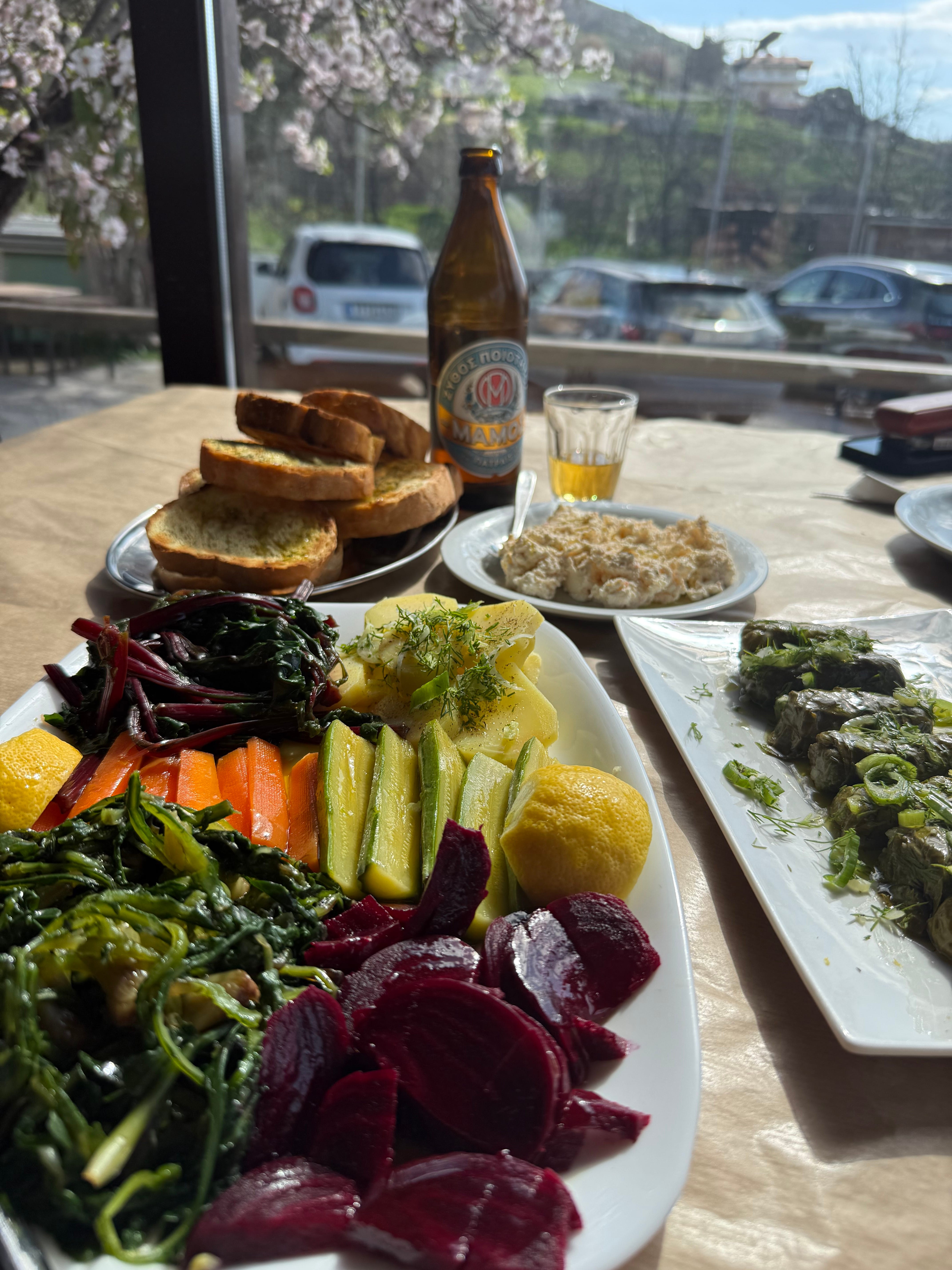
Back in To Apomero, the taverna’s owner and his sons still offer tourists a ritual: “Try a spoon straight.” Most grimace at the bitterness. A few smile through the cough. He nods approvingly. “That’s how you know it’s working,” he says. Then he refills the glass, as if prescribing more sunshine.
I throw a big glug on my breakfast seeds and mix it in with the berries and yoghurt. Yum yum.